



As a vital tool for visual display,projectors are widely used in education,business,and entertainment.With continuous technological progress,the form and function of projector systems have undergone tremendous transformation.From the earliest lantern slide machines to modern laser projectors,this evolution reflects advancements in optical,electronic,and digital technologies.
Early Projection Technology(Late 19th–Early 20th Century)
The history of projection dates back to the late 19th century.The earliest device was the Lantern Projector,which used an oil lamp as its light source and a magnifying lens to project images from glass slides onto a screen.By the 1880s,with improvements in photographic technology,lantern projectors began using glass film strips,enhancing image quality.
The Film Projector also emerged during this period.In 1902,Georges Méliès used an early movie projector to screen short films,marking the beginning of cinematic projection.The widespread adoption of these early devices laid the foundation for future projector development.
The Rise of Electronic Projectors(1980s)
With advances in electronics,the first Liquid Crystal Display(LCD)projectors appeared in the 1980s.LCD technology allowed images from computers or video sources to be projected onto large screens with high clarity and vibrant colors,quickly gaining market acceptance.
In 1984,NEC launched the first commercial LCD projector,marking the start of the electronic projection era.Around the same time,DLP(Digital Light Processing)projectors were introduced.Using micro-mirror arrays to generate images through rapid switching,DLP offered high contrast and fast response times.
The Digital Era(1990s–Early 2000s)
The 1990s accelerated the shift toward digital projection.Digital projectors began replacing analog models,offering superior image quality and broader format support.In 1999,the first fully digital DLP projector was released,signifying the maturity of digital projection technology.
This period also saw the emergence of new technologies such as laser and LED projection.Laser projectors provided higher brightness and a wider color gamut,making them suitable for large venues.
The Rise of Portable Projectors(Mid-2000s–Present)
As technology advanced,portable projectors became increasingly popular.Compact and lightweight designs allowed easy portability,meeting needs for mobile work and small meetings.The introduction of pico-projectors further propelled this trend.
Simultaneously,smart projectors entered the market.Many devices now feature built-in wireless connectivity,apps,and operating systems,enabling users to project content directly from smartphones or tablets.For example,Android-based projectors can run applications and support wireless streaming,creating a more flexible user experience.
Current Trends in Projection Technology
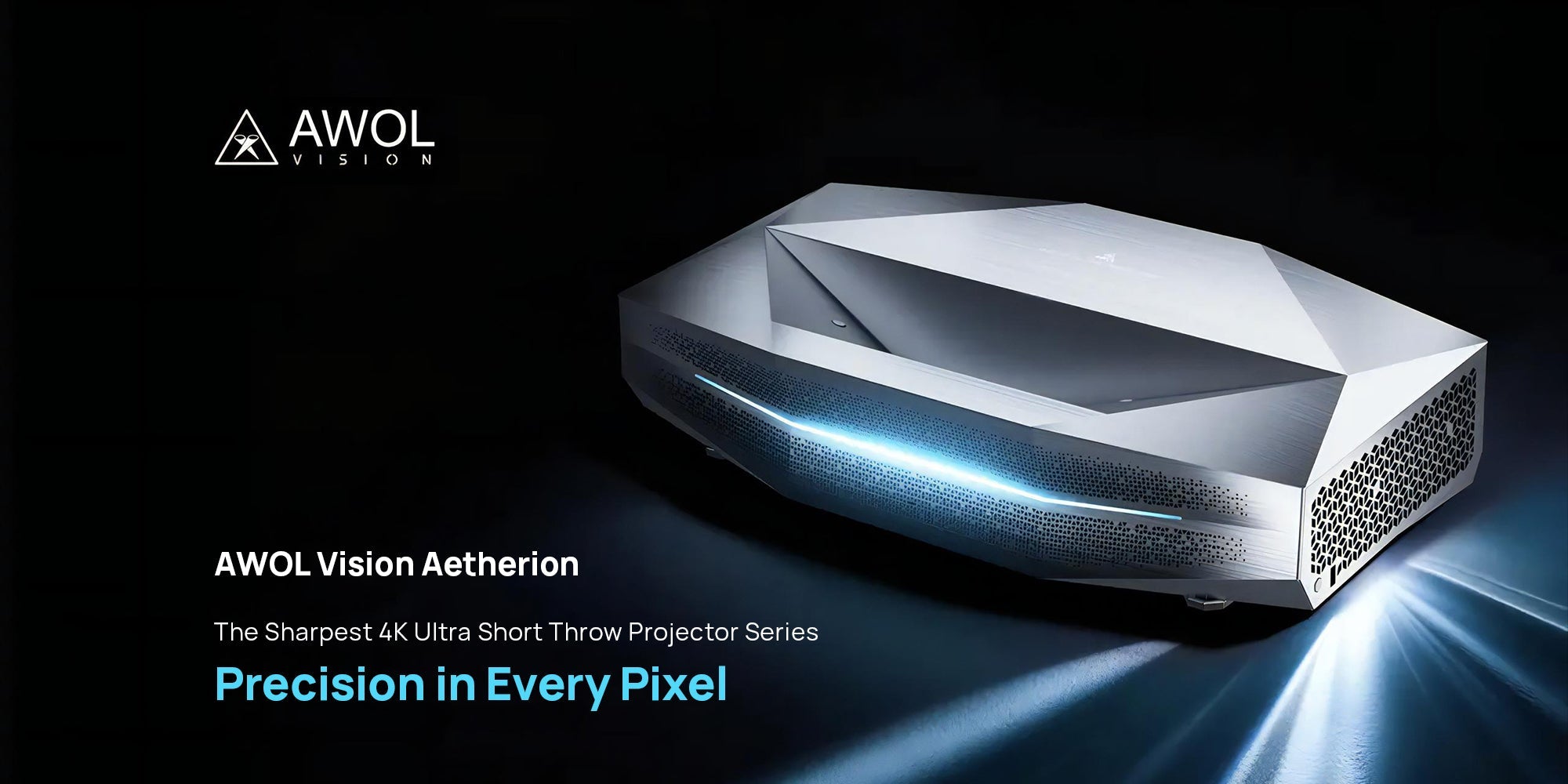
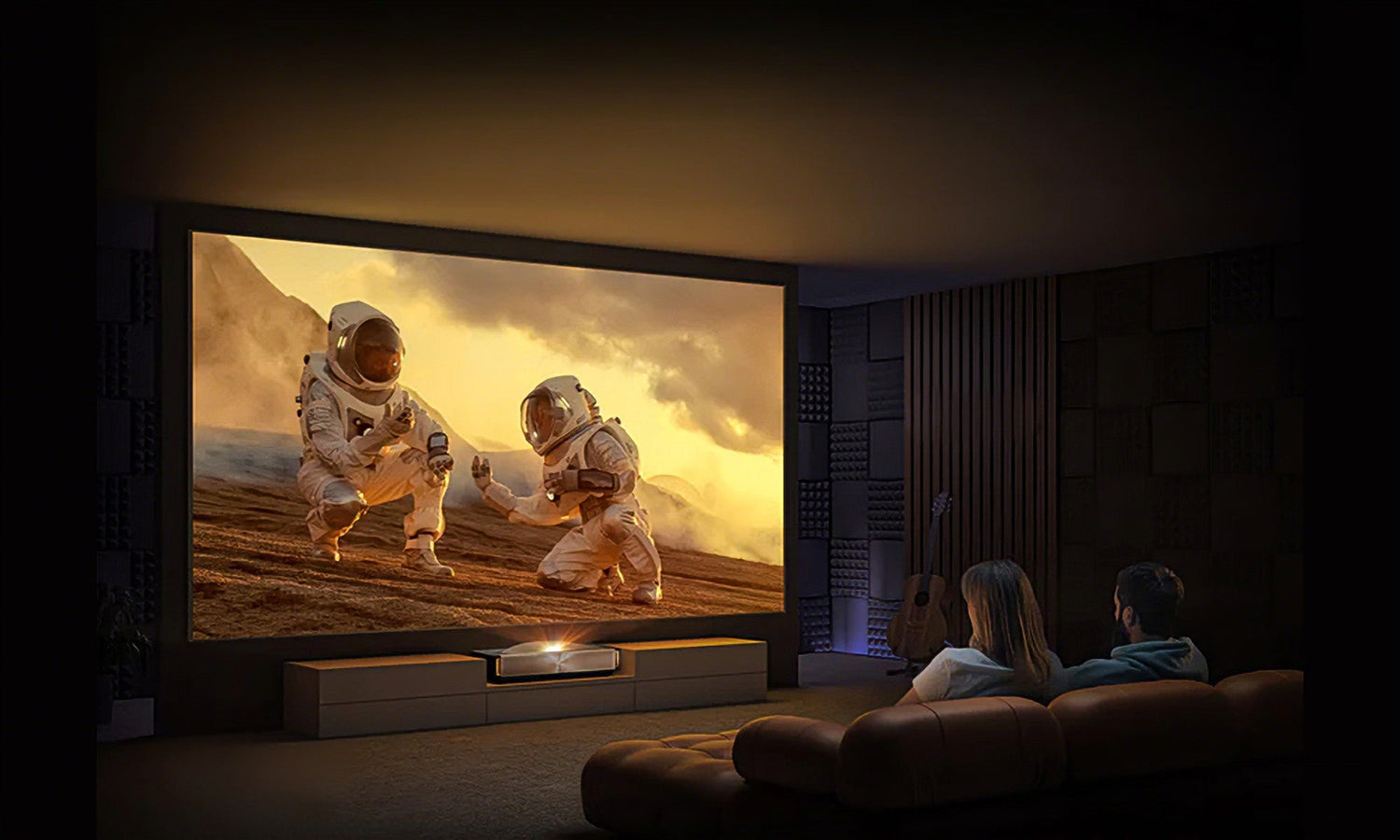
Entering the 2020s,projection technology continues to evolve rapidly.Laser projectors are becoming mainstream due to their high brightness,long lifespan,and low maintenance.Additionally,4K and 8K ultra-high-resolution projectors deliver unprecedented image quality,meeting the demands of professional film production and premium home theaters.Short-throw and ultra-short-throw projectors are also growing in popularity,capable of projecting large images from very short distances—ideal for spaces with limited room. For home users,the home projector has become a centerpiece of home entertainment.An LED projector home theater setup offers energy efficiency,long-lasting light sources,and rich color performance,allowing movie enthusiasts to create a cinema-like experience in their living room.
Looking Ahead
The future of projectors points toward even higher resolutions,more portable designs,and smarter features.As technology progresses,projectors may integrate with virtual reality(VR)and augmented reality(AR)to create new interactive experiences.Furthermore,the incorporation of artificial intelligence could enable smarter image processing and automatic adjustment functions,making projectors more intuitive and adaptable than ever.