



Floor Rising
Transform any room into a theater in seconds. No drilling, no mounting—just pure cinematic magic.


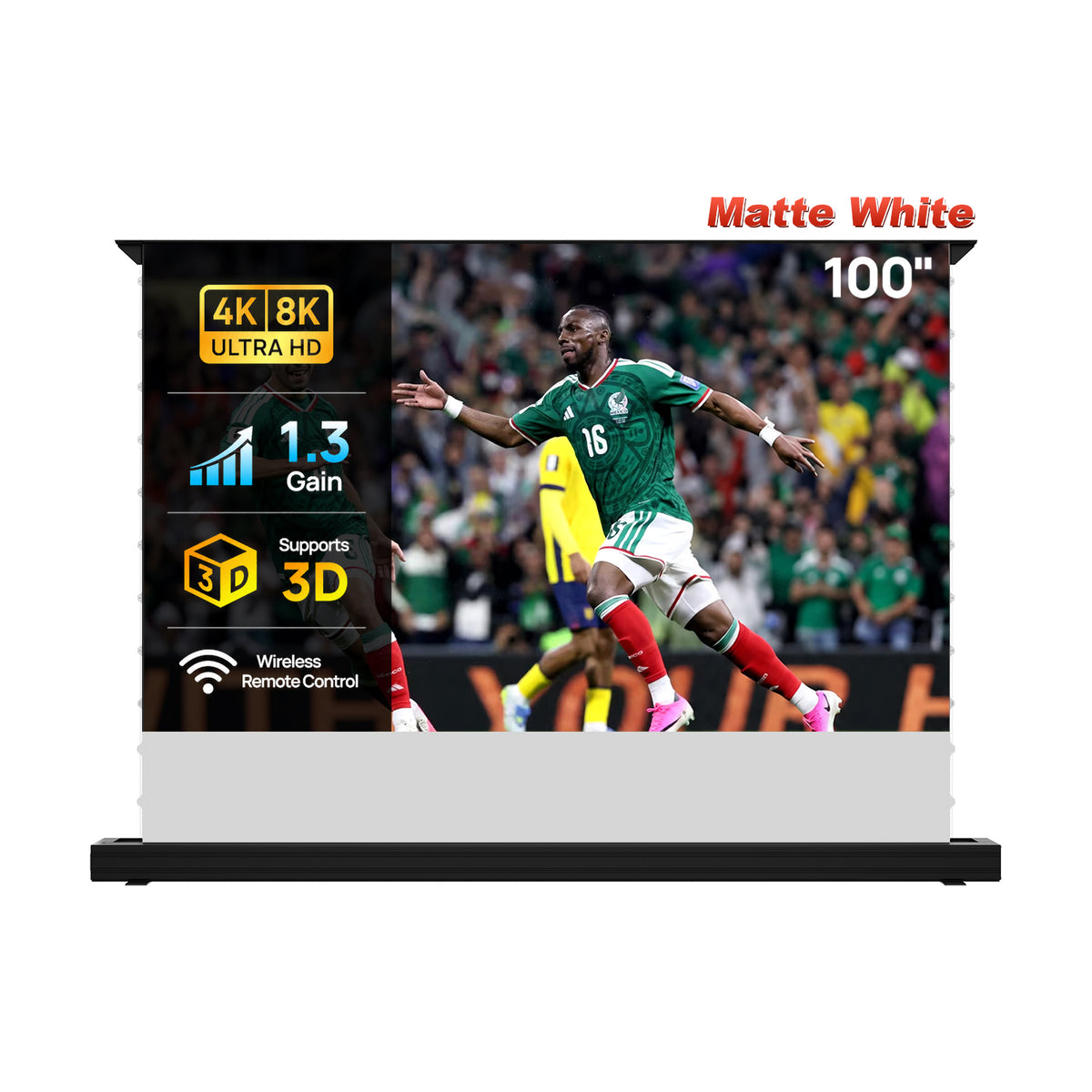
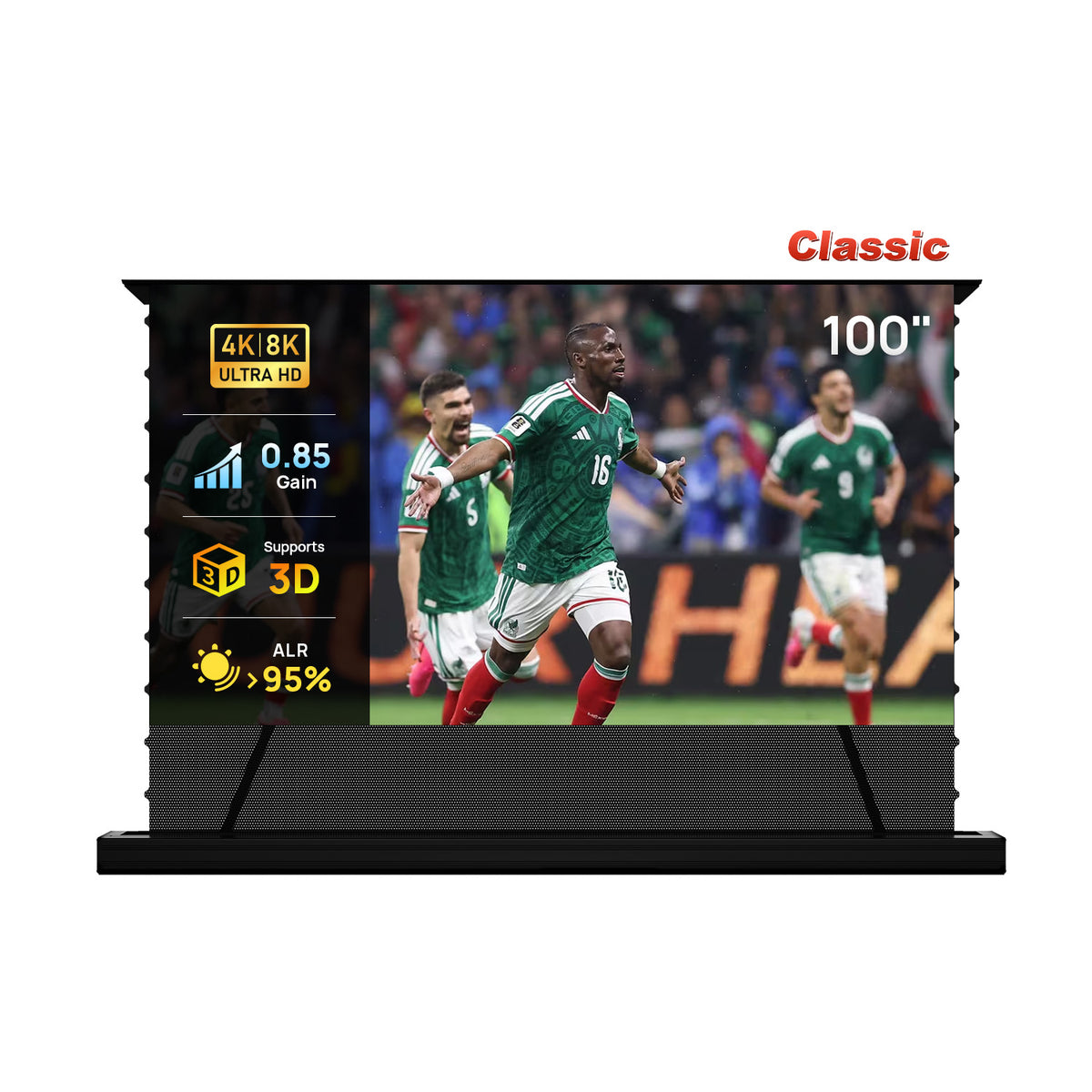
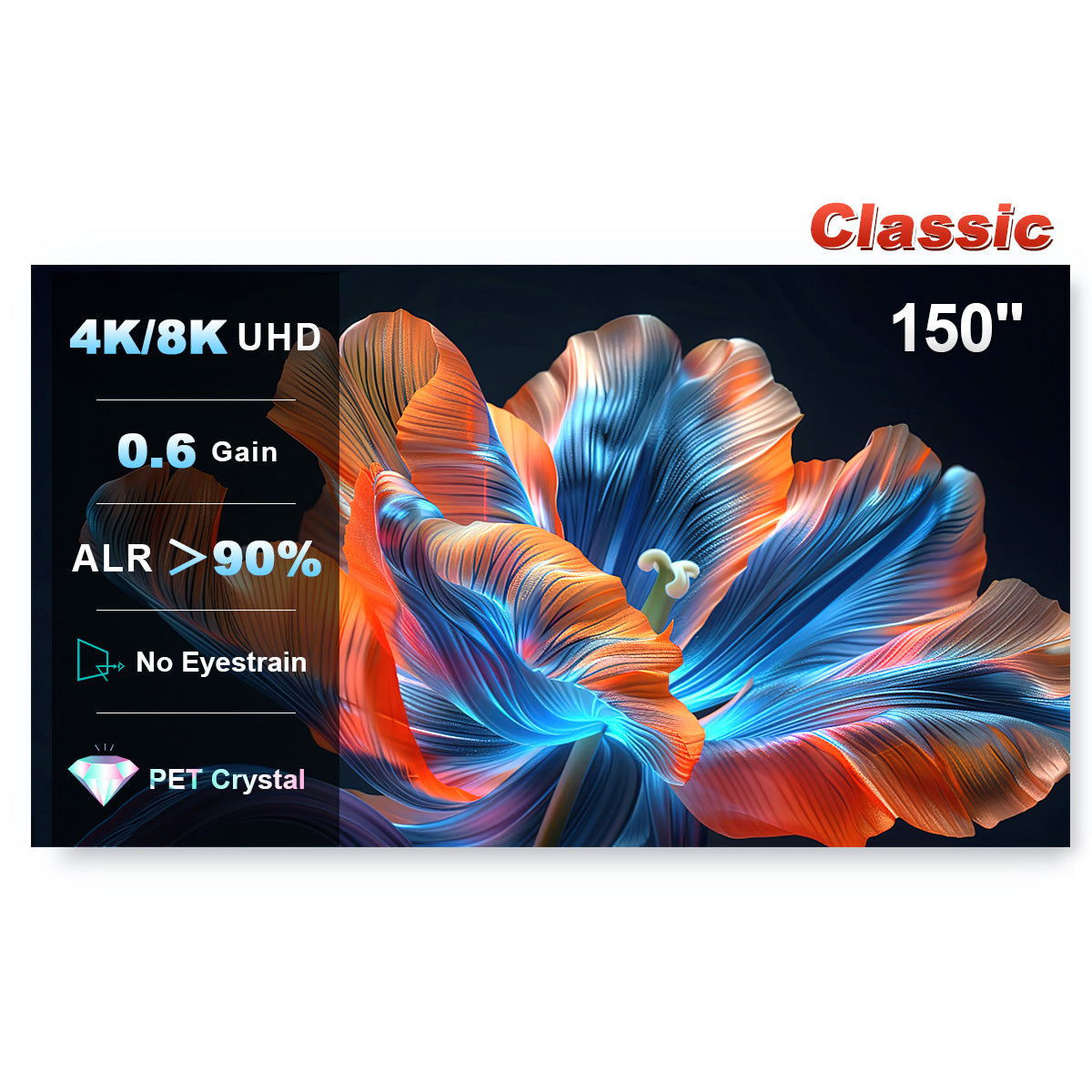
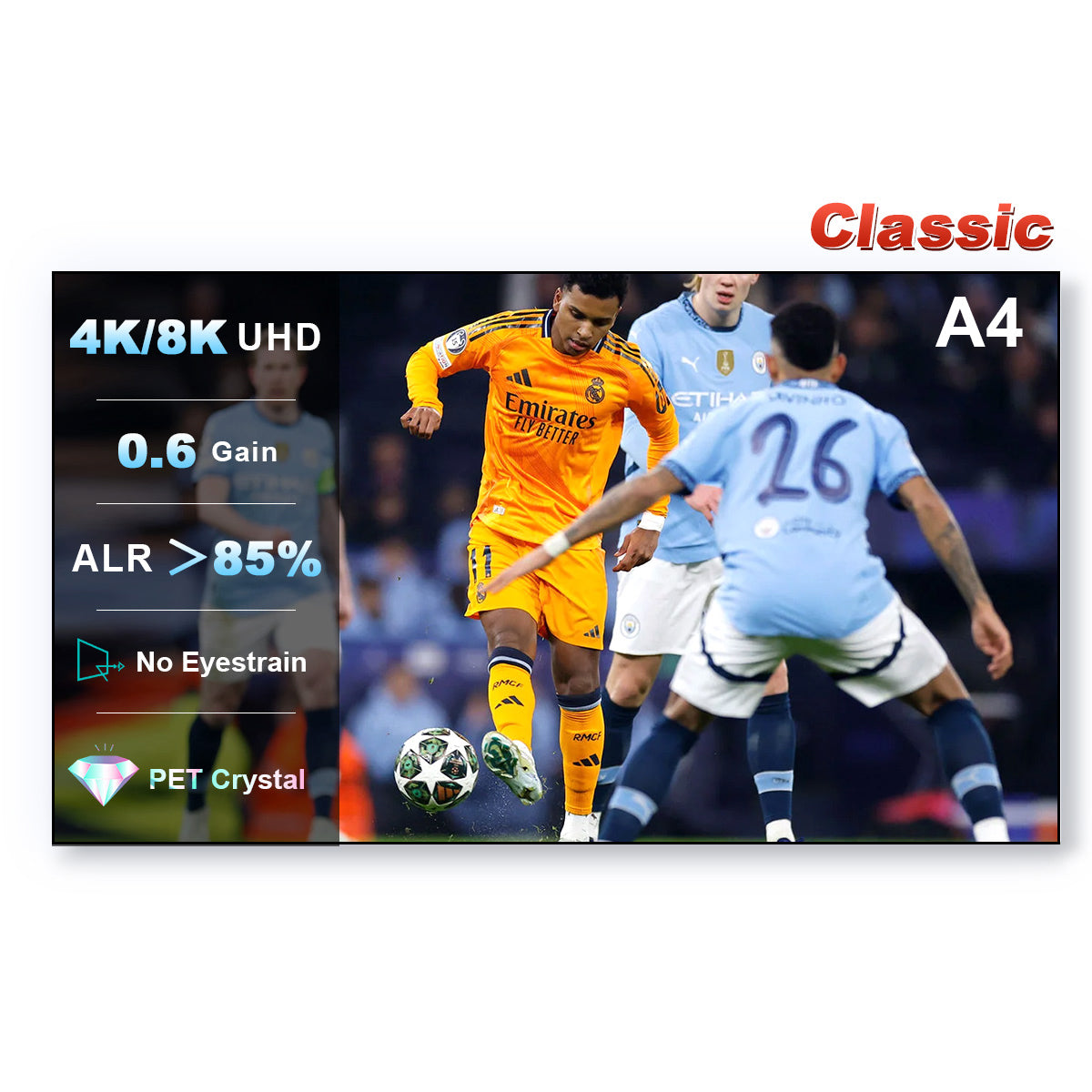
Classic Series
The perfect entry into the world of ALR technology.


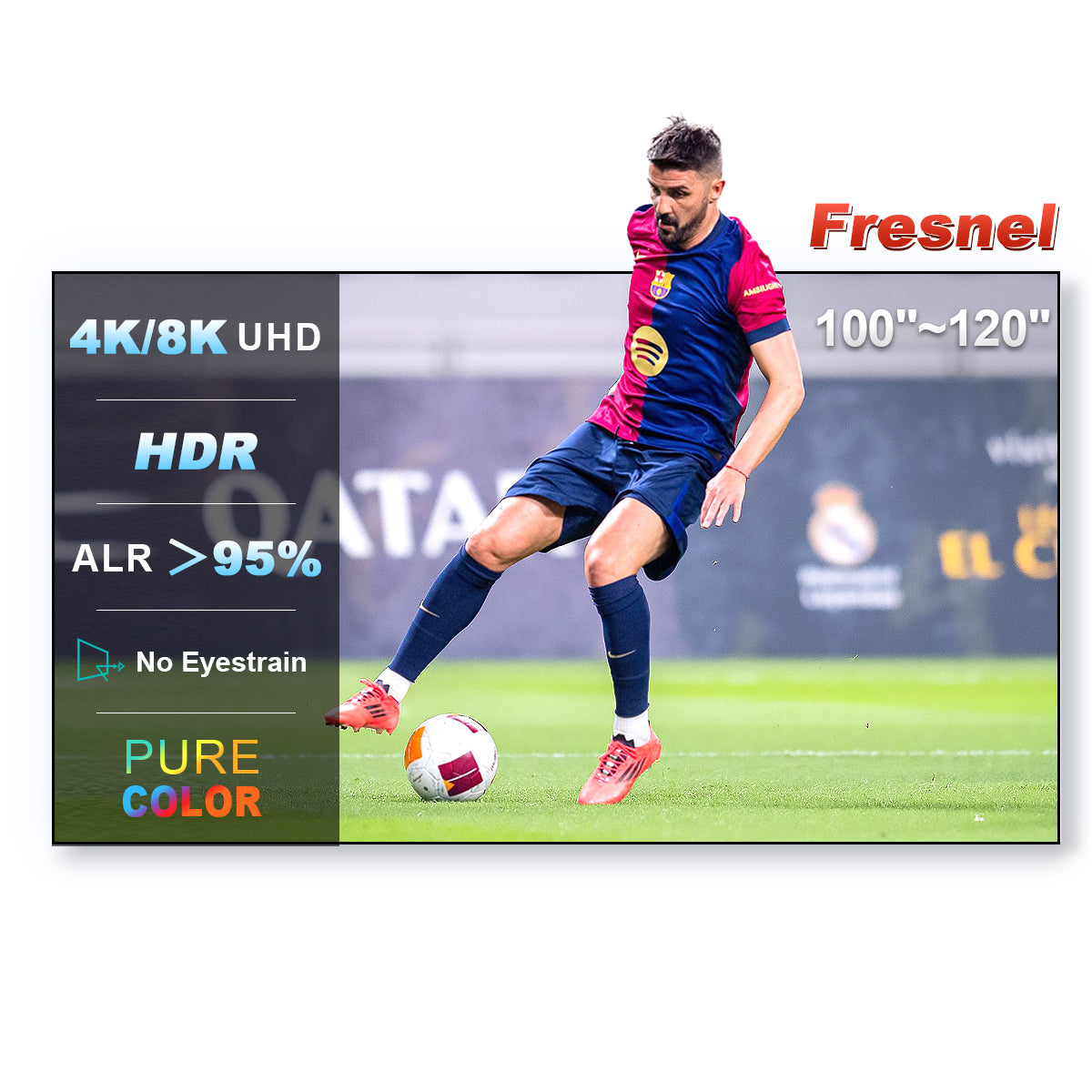
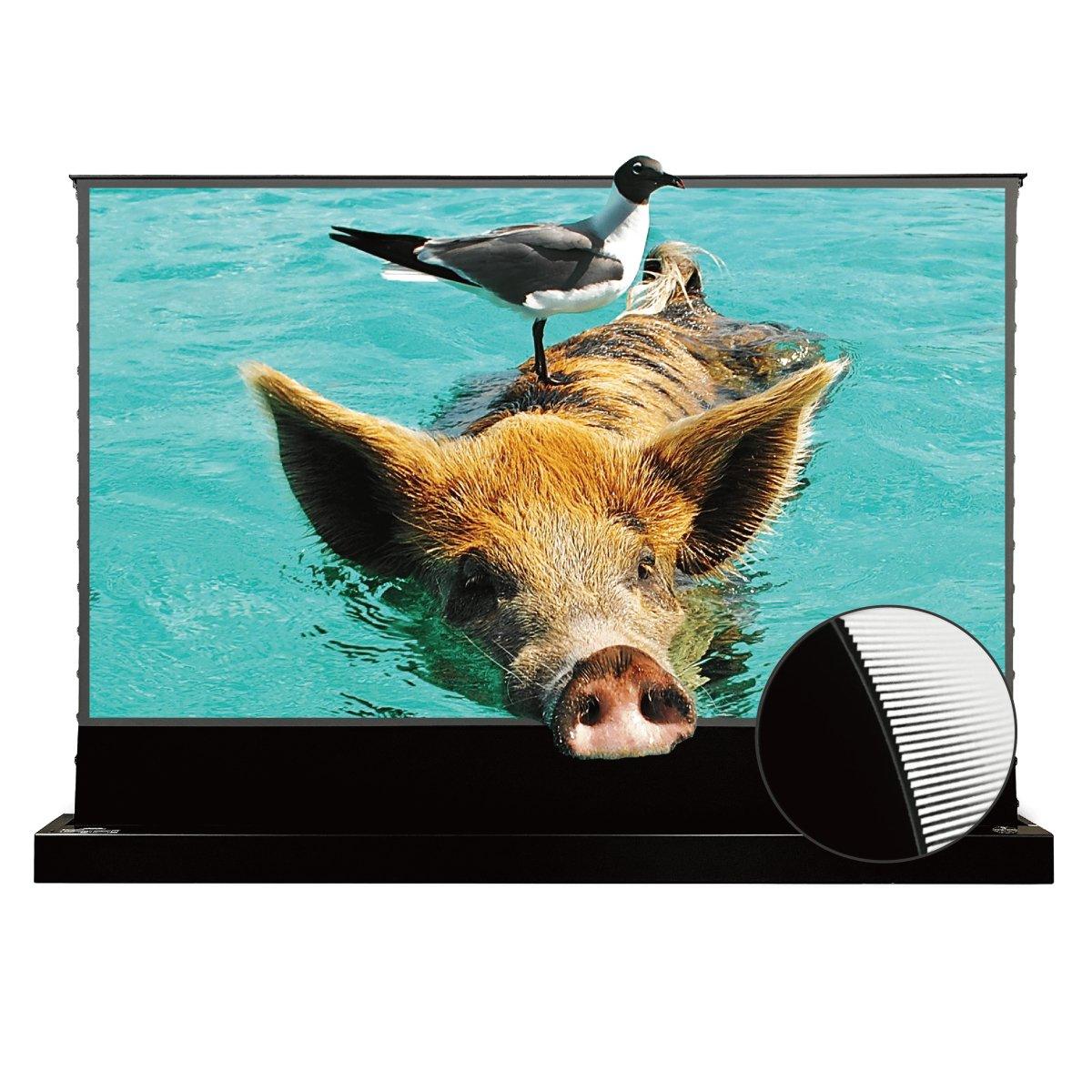
Fresnel Series
Optical precision for the most challenging environments.


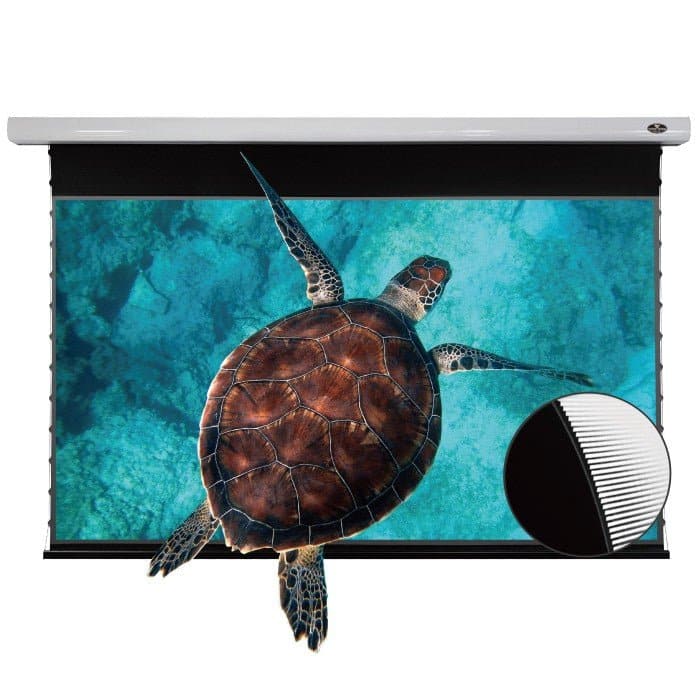
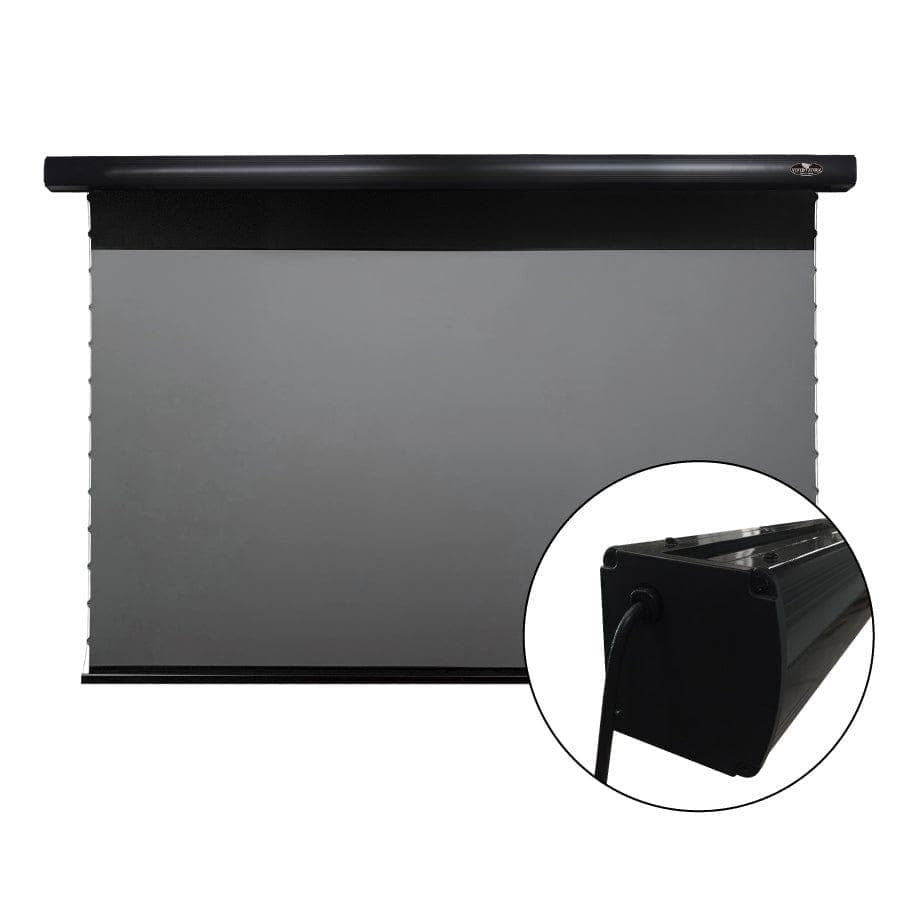
Tension Drop Down
The ultimate disappearing act for your ceiling or wall. Professional-grade tension meets modern design.
Filtri
24 prodotti


-
 24-48 Hours Dispatch
-
 No tariff. In Stock and Ready to Ship

-
24-48 Hours Dispatch
-
No tariff. In Stock and Ready to Ship
-
24-48 Hours Dispatch
-
No tariff. In Stock and Ready to Ship
-
24-48 Hours Dispatch
-
No tariff. In Stock and Ready to Ship
-
24-48 Hours Dispatch
-
No tariff. In Stock and Ready to Ship

-
24-48 Hours Dispatch
-
No tariff. In Stock and Ready to Ship
-
24-48 Hours Dispatch
-
No tariff. In Stock and Ready to Ship
-
24-48 Hours Dispatch
-
No tariff. In Stock and Ready to Ship
-
24-48 Hours Dispatch
-
No tariff. In Stock and Ready to Ship
-
24-48 Hours Dispatch
-
No tariff. In Stock and Ready to Ship


-
24-48 Hours Dispatch
-
No tariff. In Stock and Ready to Ship
-
24-48 Hours Dispatch
-
No tariff. In Stock and Ready to Ship


-
24-48 Hours Dispatch
-
No tariff. In Stock and Ready to Ship
 Extra 10% OFF
-
24-48 Hours Dispatch
-
No tariff. In Stock and Ready to Ship
 Extra 10% OFF
-
24-48 Hours Dispatch
-
No tariff. In Stock and Ready to Ship


-
24-48 Hours Dispatch
-
No tariff. In Stock and Ready to Ship

-
24-48 Hours Dispatch
-
No tariff. In Stock and Ready to Ship
-
24-48 Hours Dispatch
-
No tariff. In Stock and Ready to Ship
 Extra 10% OFF
 Extra 10% OFF
-
24-48 Hours Dispatch
-
No tariff. In Stock and Ready to Ship
-
24-48 Hours Dispatch
-
No tariff. In Stock and Ready to Ship
Tutti gli schermi di proiezione per ogni configurazione: superfici ALR e CLR per laser TV a distanza ultracorta, Fresnel per gli ambienti luminosi, bianco opaco per il massimo controllo della luce, oltre agli schermi portatili da esterno — in versioni a cornice fissa, motorizzate a pavimento e avvolgibili.
Dimensioni da 84 a 150 pollici, con superfici che respingono fino al 95% della luce ambientale. Non sa da dove iniziare? I nostri esperti di proiezione la aiuteranno a trovare la superficie e la dimensione giuste per il Suo proiettore.
1. La fisica della luce: perché è necessario un ALR Schermo
Si affidano ai tradizionali schermi bianchi e alle pareti semplici riflessione speculare. Diffondono la luce in tutte le direzioni, provocando abbagliamento e il temuto effetto "hotspot" (un centro luminoso e sbiadito con bordi scuri). Inoltre, non riescono a distinguere tra la luce del proiettore e la luce ambientale nella stanza, risultando in un'immagine sbiadita e a basso contrasto.
An Rifiuto della luce ambientale (ALR) schermo risolve questo attraverso complesse strutture micro-ottiche. Questi schermi sono progettati con proprietà antiriflesso (AG) migliorate che diffondono selettivamente la luce del proiettore verso lo spettatore assorbendo o deviando fisicamente l'illuminazione dall'alto. Ciò garantisce dettagli più nitidi, livelli di nero più profondi e una fedeltà dei colori vibrante, anche in un salotto europeo illuminato dal sole.
2. Decodifica dei materiali dello schermo UST: lenticolare vs. Fresnel
Se possiedi un Proiettore a ottica ultra corta (UST)., dimentica il confuso gergo del marketing e concentrati esclusivamente sul materiale. Entrambi lo sono tecnicamente CLR (Ceiling Light Rejecting), ma le loro architetture cambiano drasticamente la tua esperienza visiva:
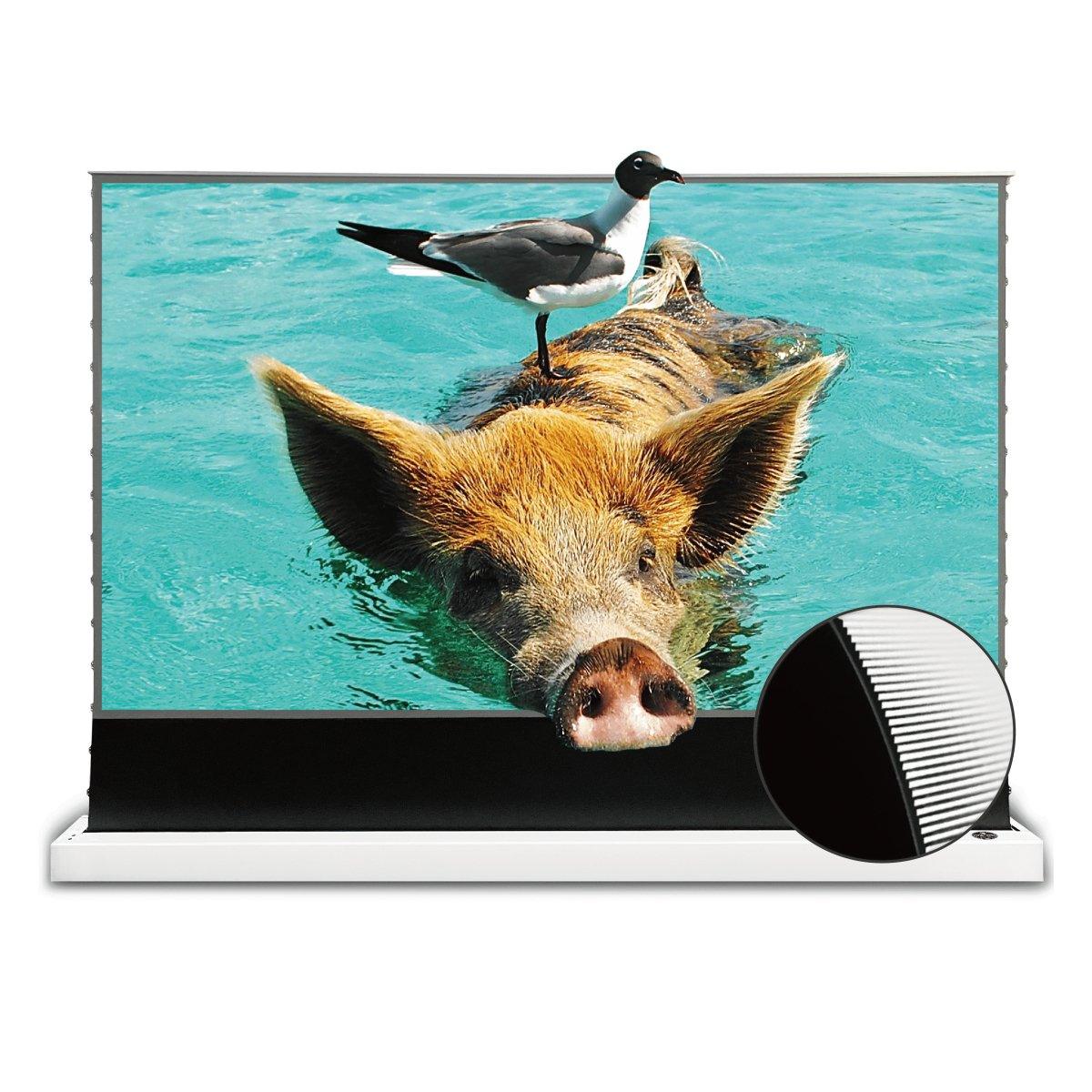
- Schermi Fresnel (Il Campione della Luminosità): Utilizzando una struttura ottica semicircolare, Schermi Fresnel agiscono come una lente d'ingrandimento, focalizzando la luce direttamente al centro. Offrono una luminosità diurna superiore ma hanno un angolo di visione ristretto (70°–100°). Ideale per: cinefili appassionati che guardano da soli o direttamente al centro della scena.
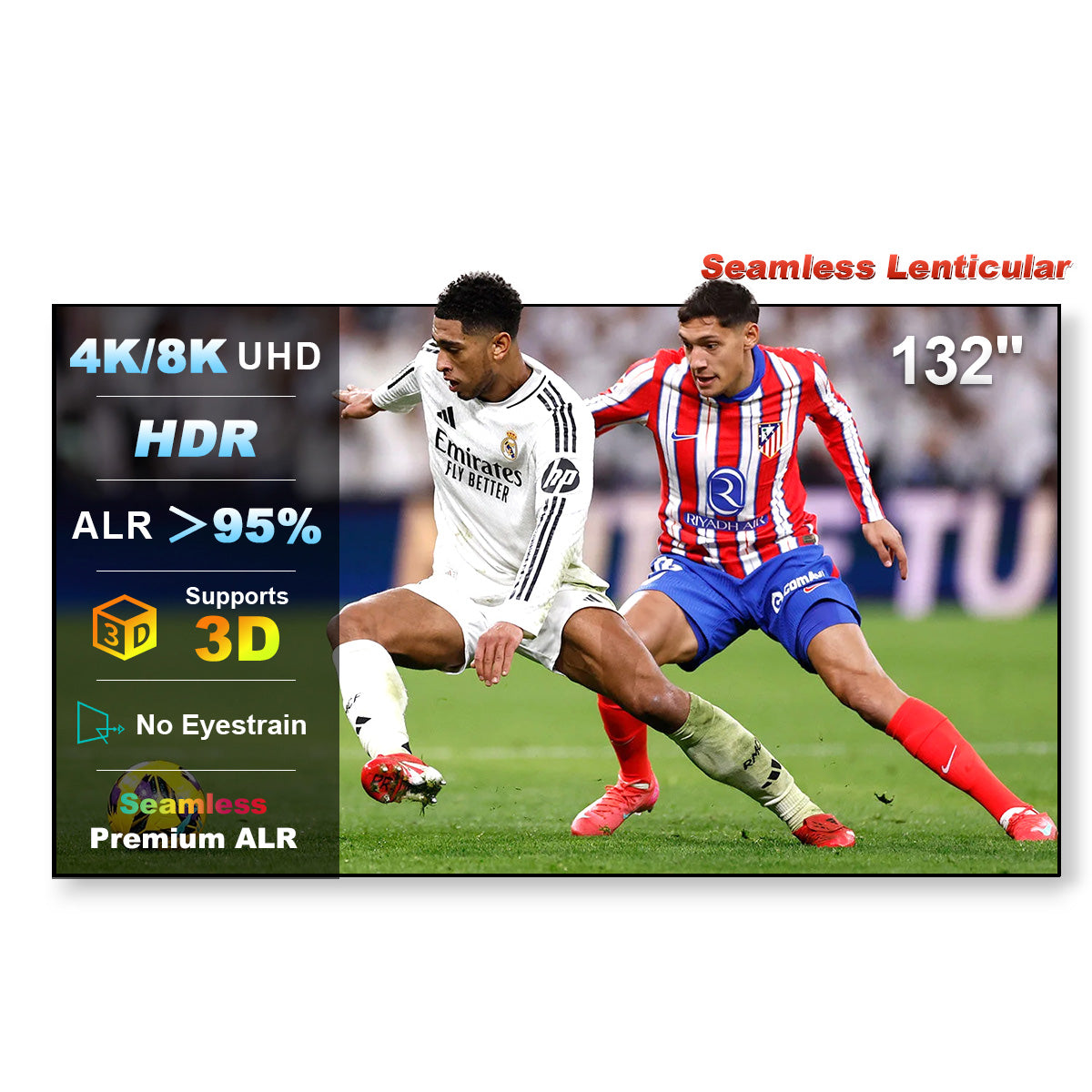
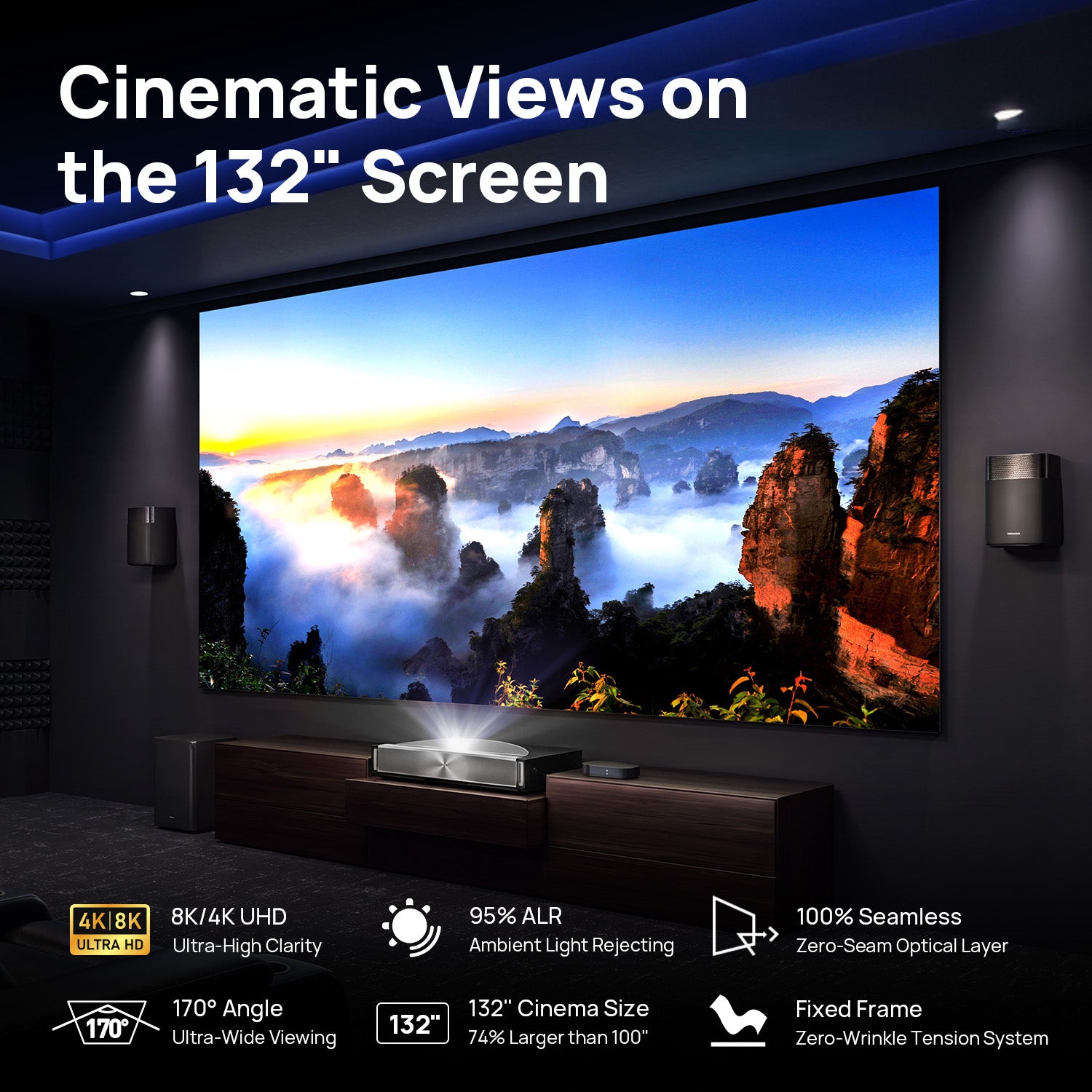
- Schermi lenticolari (Lo standard del soggiorno): Caratterizzati da microscopiche creste orizzontali, i materiali lenticolari bloccano la luce dall'alto verso il basso disperdendo l'immagine in modo uniforme su un ampio angolo di 170°. Ideale per: sostituire il soggiorno TV, ospitare serate sportive e famiglie con più spettatori.
La promessa di un rapporto costo-prestazioni elevato (superando la media del settore di 700 €):
Mentre schermi UST comparabili da Lumen superare facilmente i 700€, NothingProjector ridefinisce il valore:
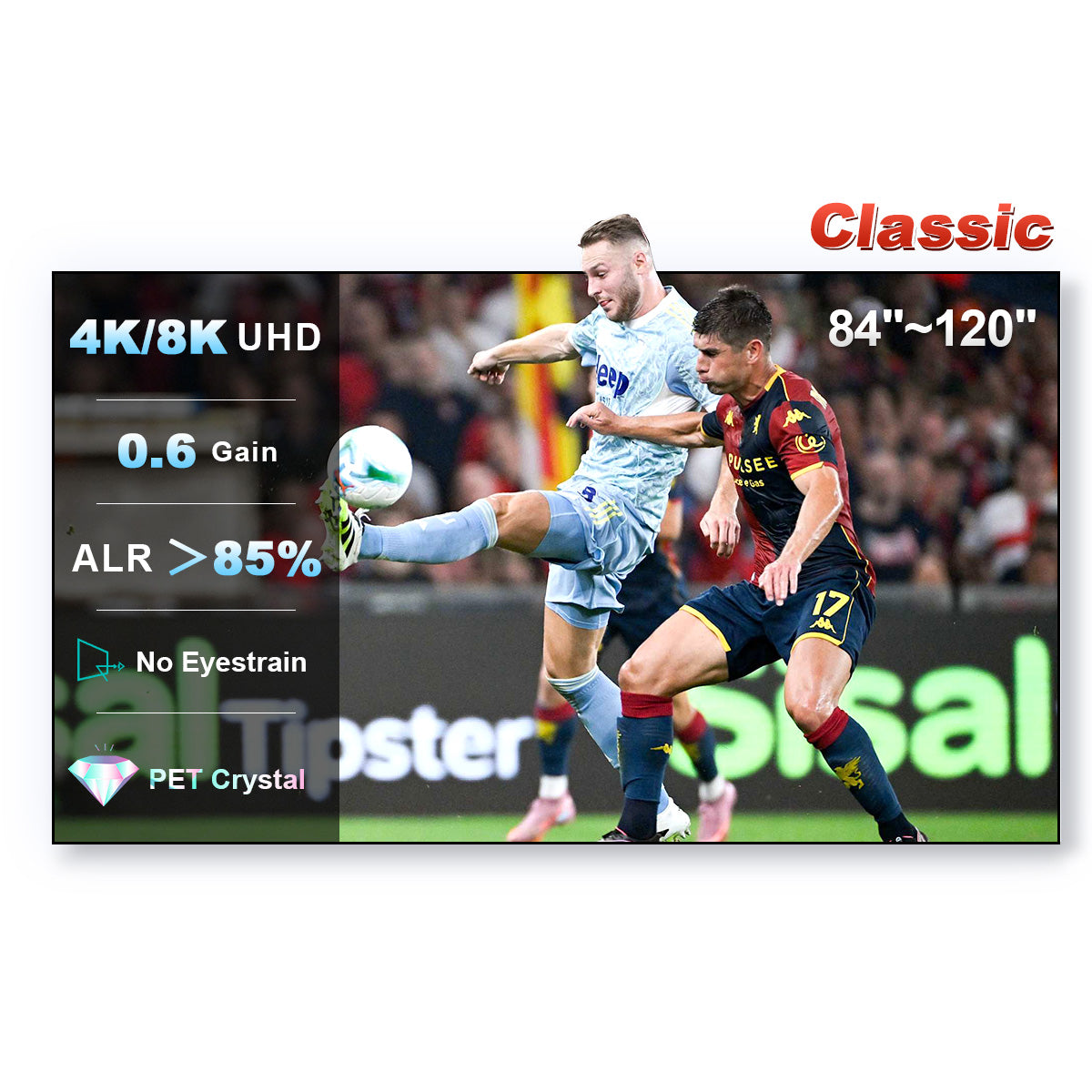
- Budget inferiore a € 400: Il nostro NothingProjector Schermo classico offre una resistenza alla luce ambientale senza precedenti a quasi la metà del prezzo dei concorrenti regionali.
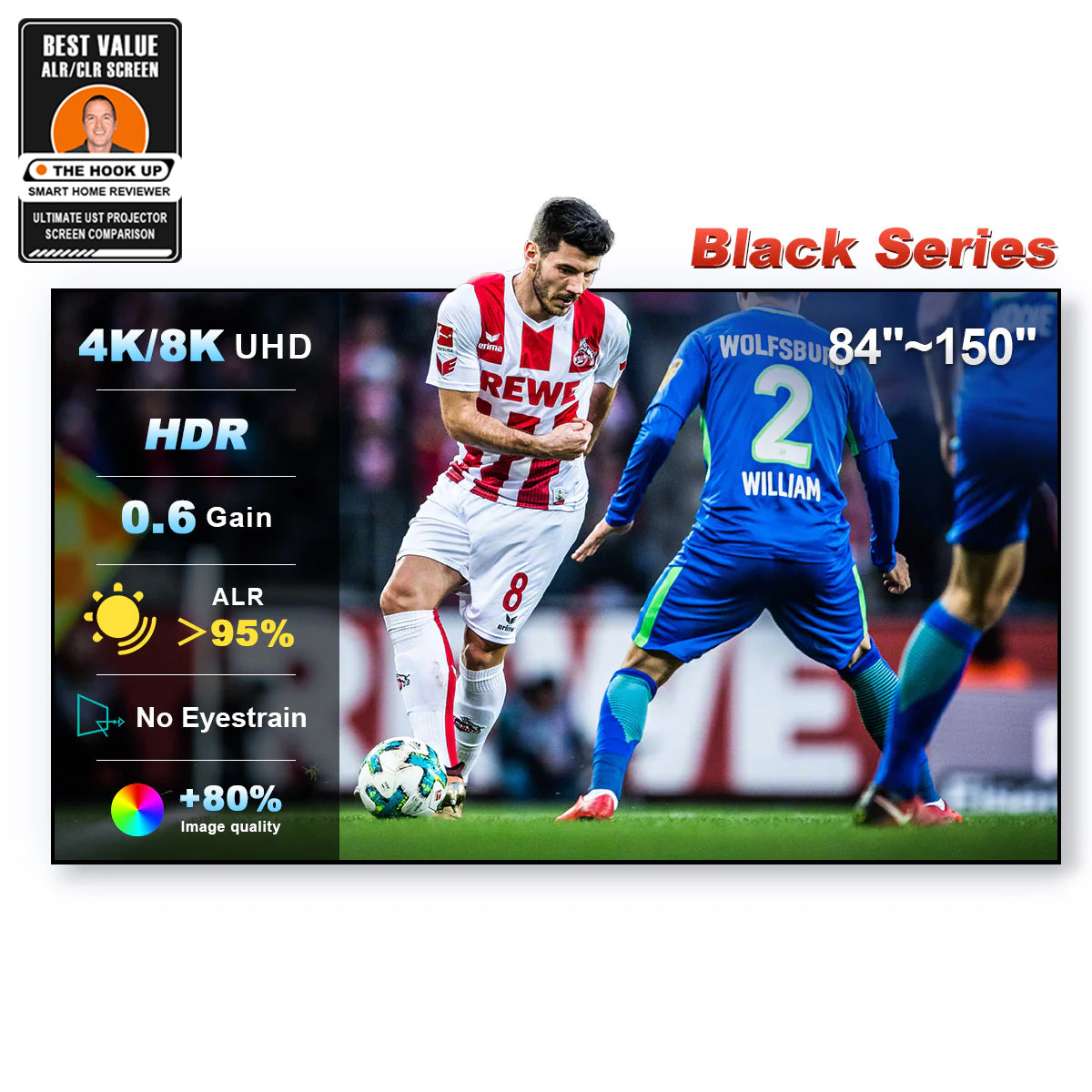
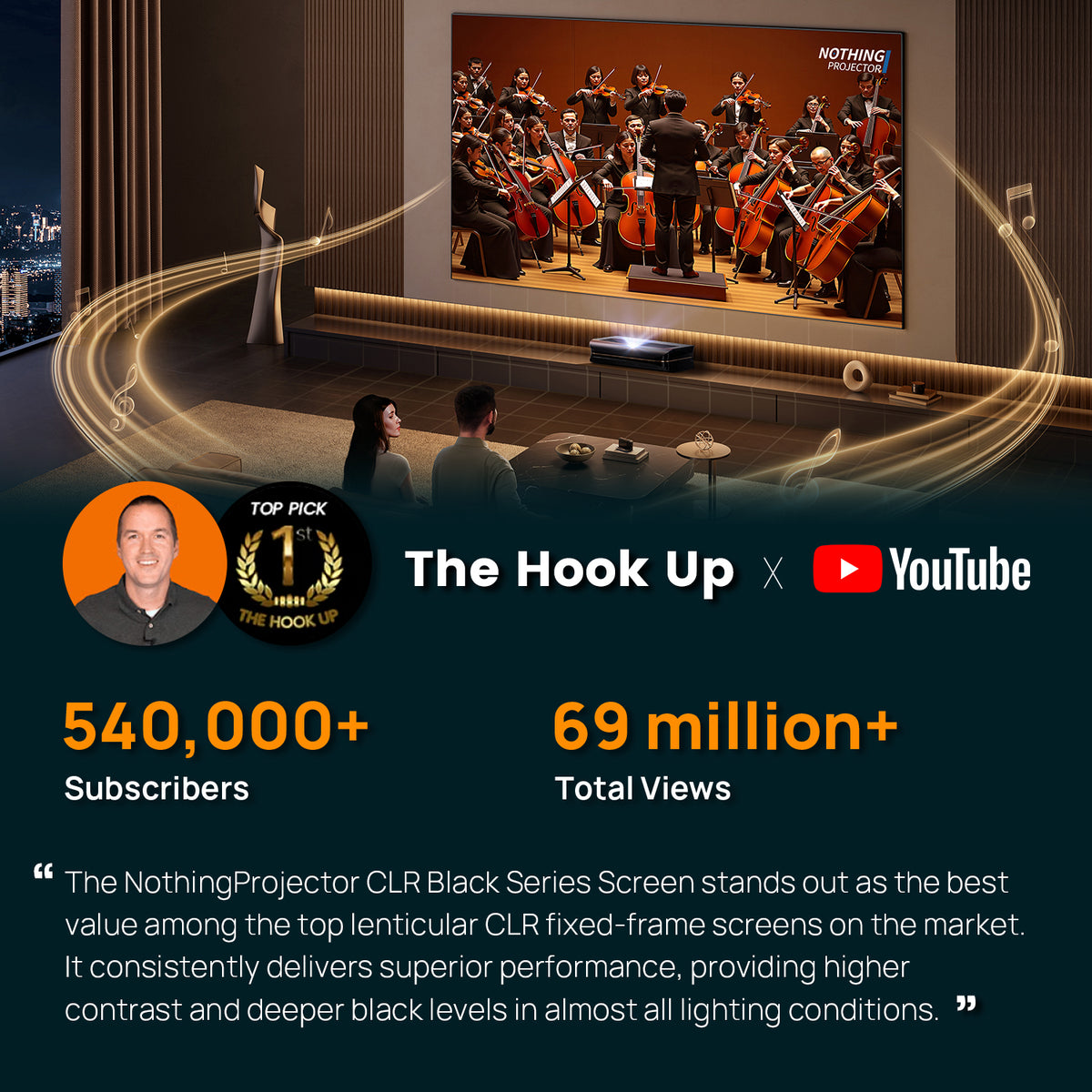
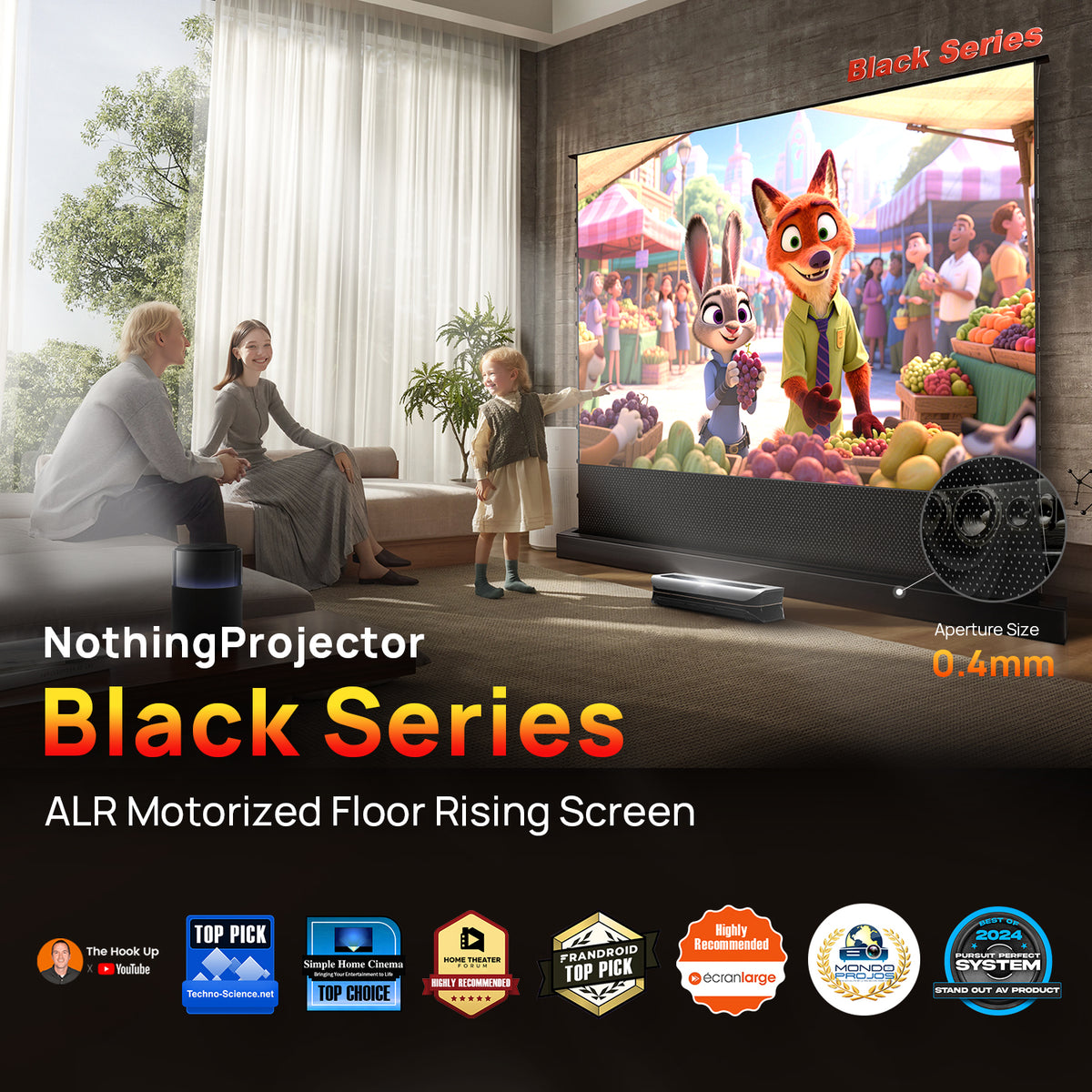
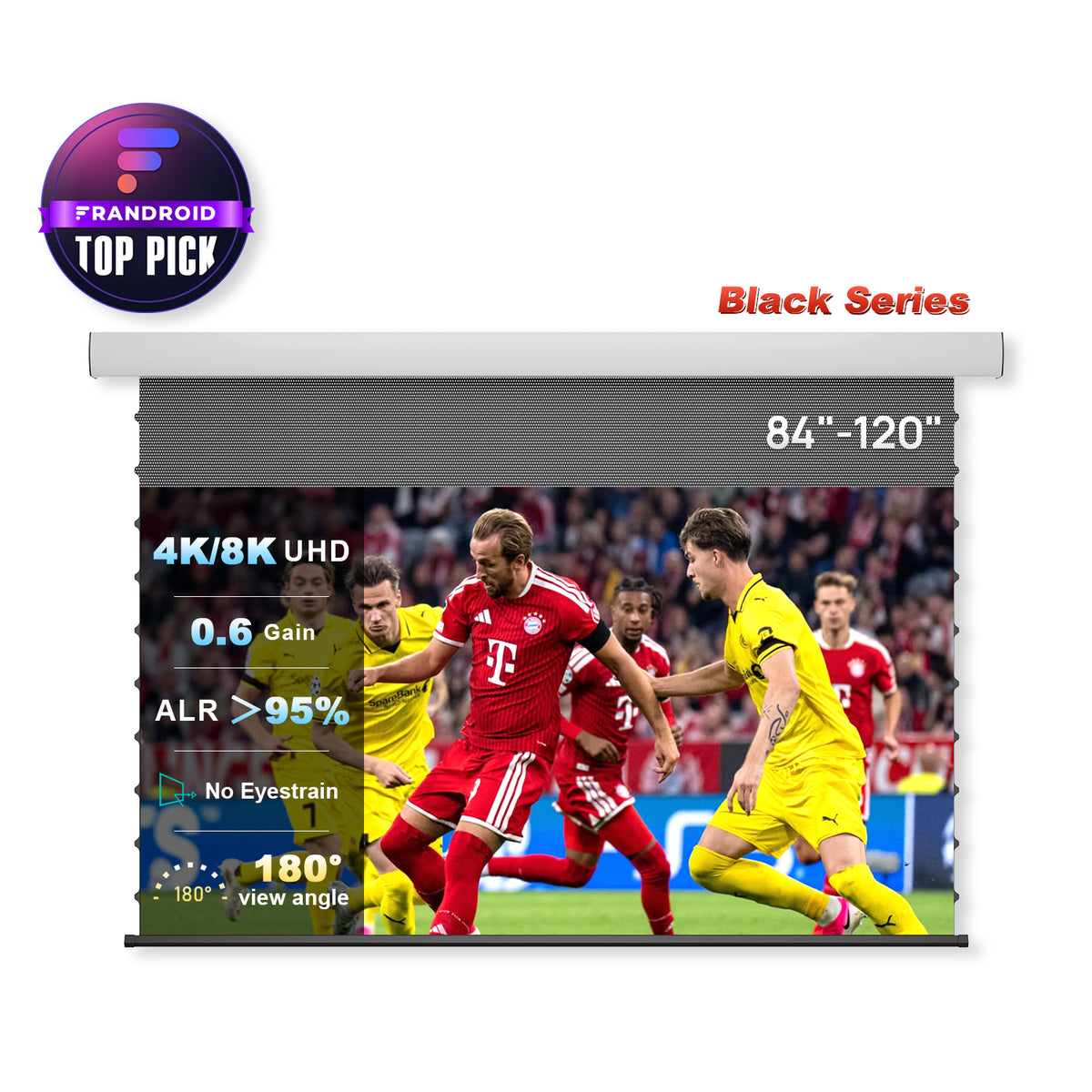
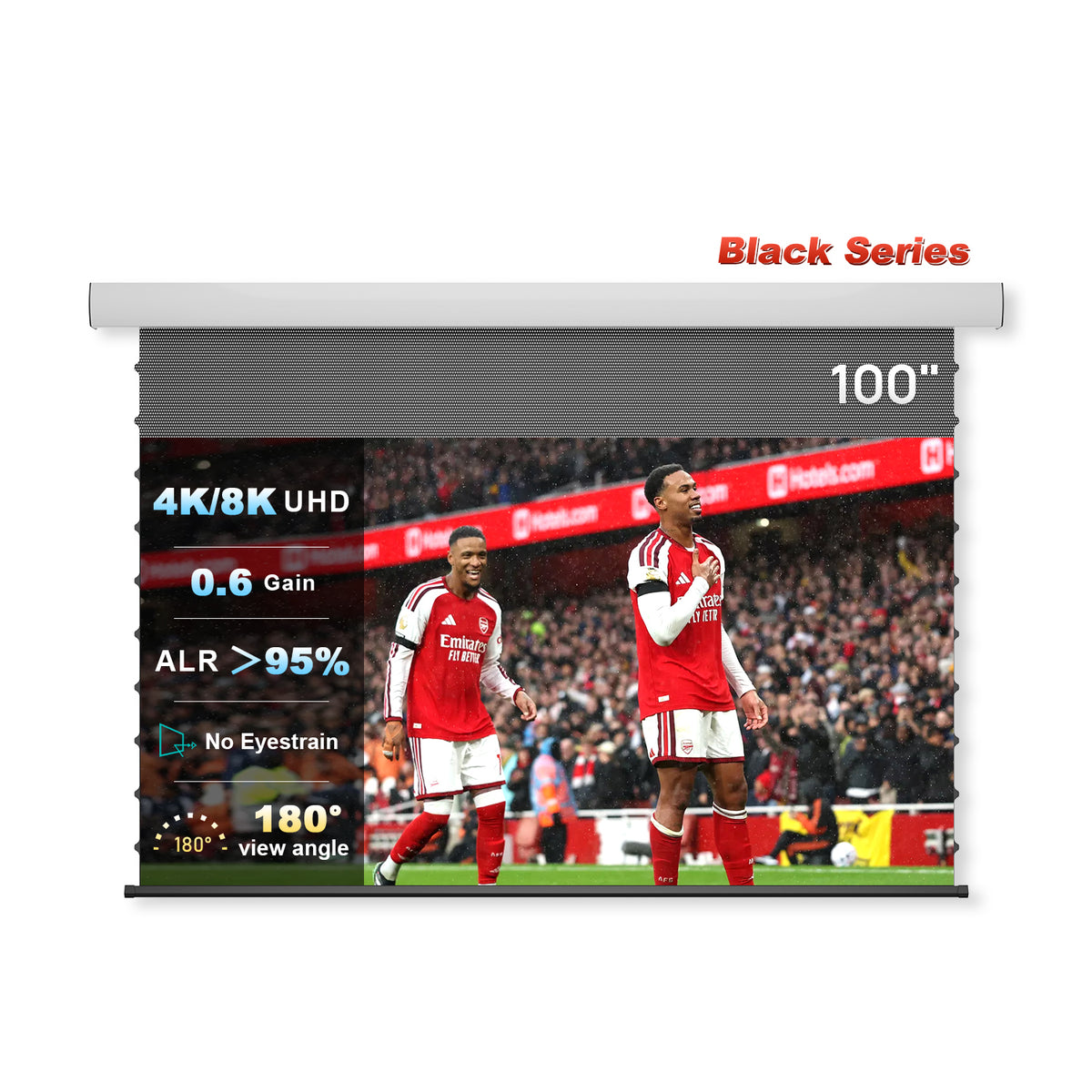
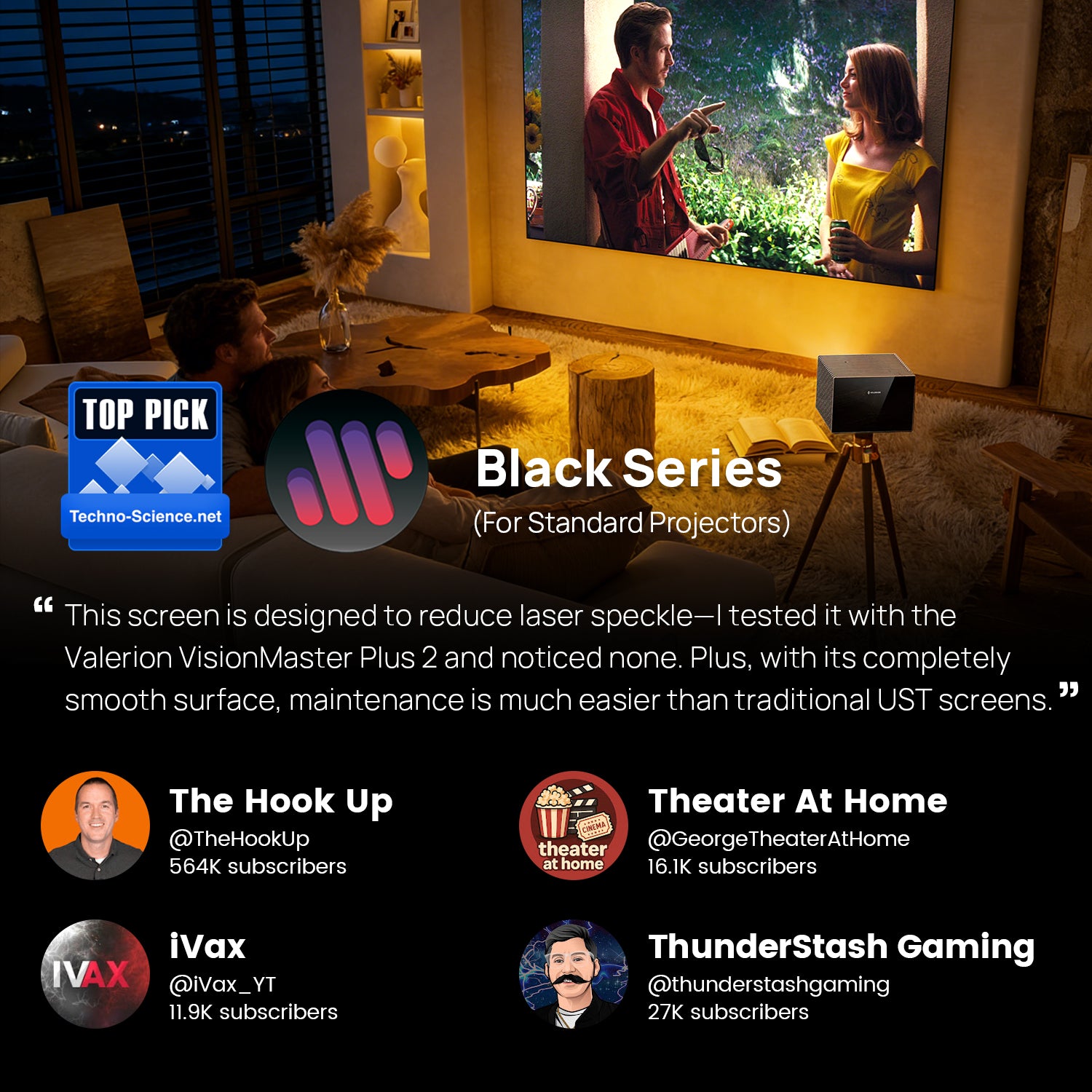
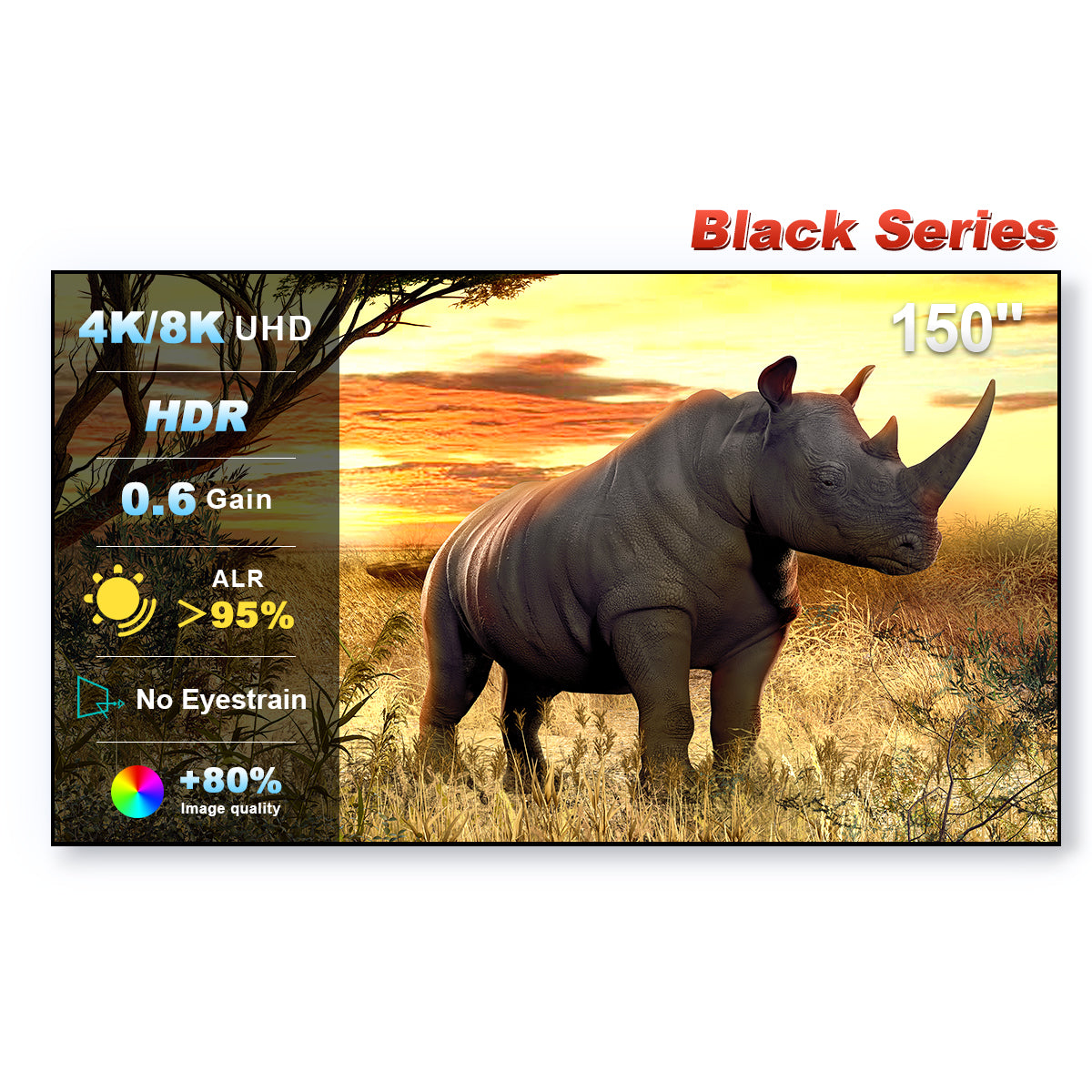
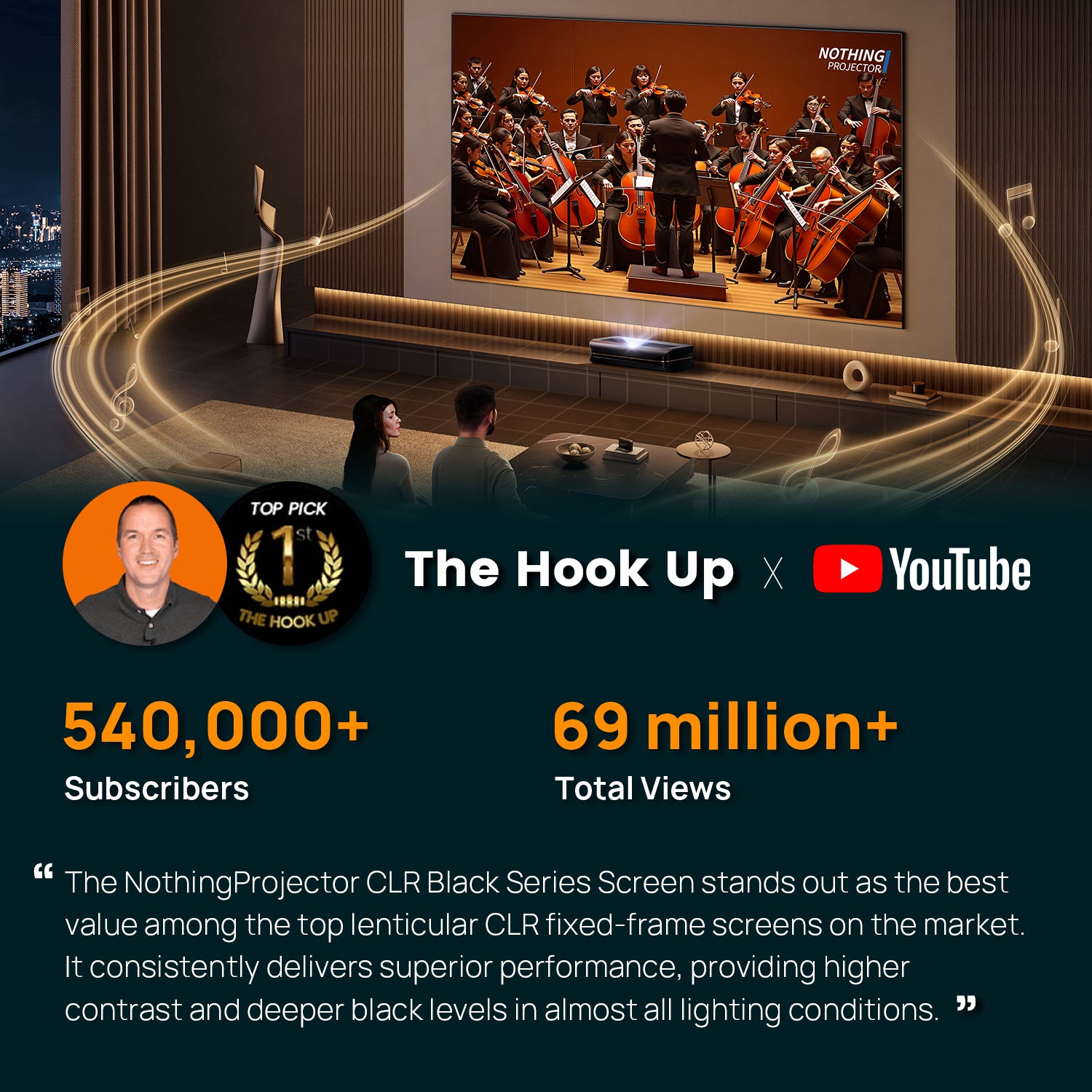
- Livello Premium (oltre € 600): La nostra ammiraglia NothingProjector Black Series utilizza una struttura lenticolare altamente avanzata. Non rivaleggia solo con i marchi di alto livello; li batte. È stato ufficialmente assegnato "Miglior rapporto qualità-prezzo" su 8 schermi premium valutati dal rispettato revisore tecnico, Il collegamento.
3. Architettura e fattore di forma: trovare la soluzione perfetta
Il tuo spazio determina il tuo schermo. Costruiamo ogni telaio in alluminio di qualità aerospaziale, evitando i problemi di deformazione riscontrati negli alloggiamenti in plastica più economici.
-
Telaio fisso ALR Schermo (Da € 399): La scelta del cinefilo
- L'impostazione: Fornisce una tensione assoluta e permanente. L'installazione richiede circa 1 ora e richiede la perforazione.
- Il controllo della realtà: Se ammiri il tensionamento di un Ora telaio fisso ma sono contrari al prezzo, i nostri schermi fissi offrono esattamente la stessa tela senza ondulazioni. Attenzione: Uno schermo da 100"–120" si estende per circa 2,65 metri, il che richiede uno spazio dedicato e senza compromessi sulla parete.
-
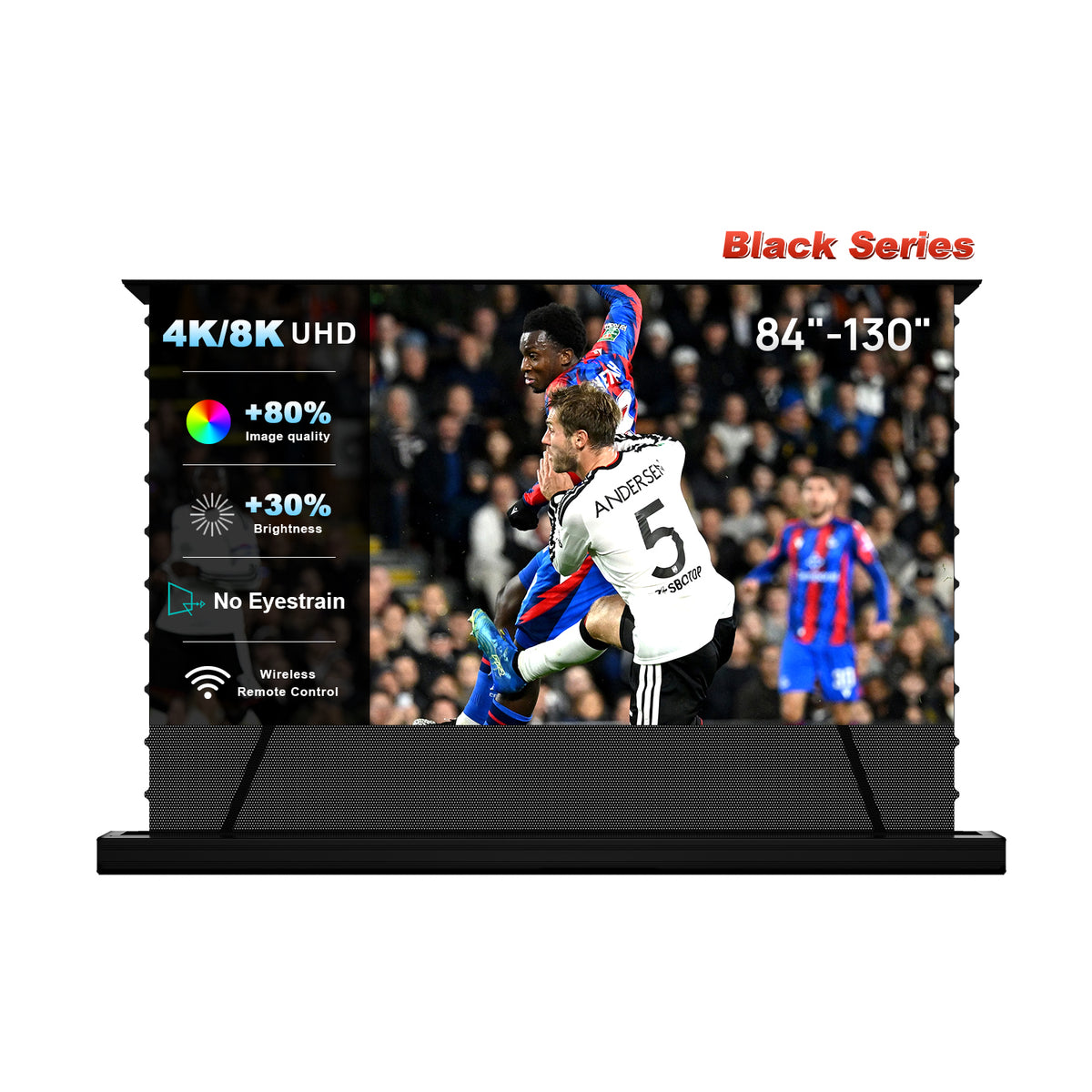
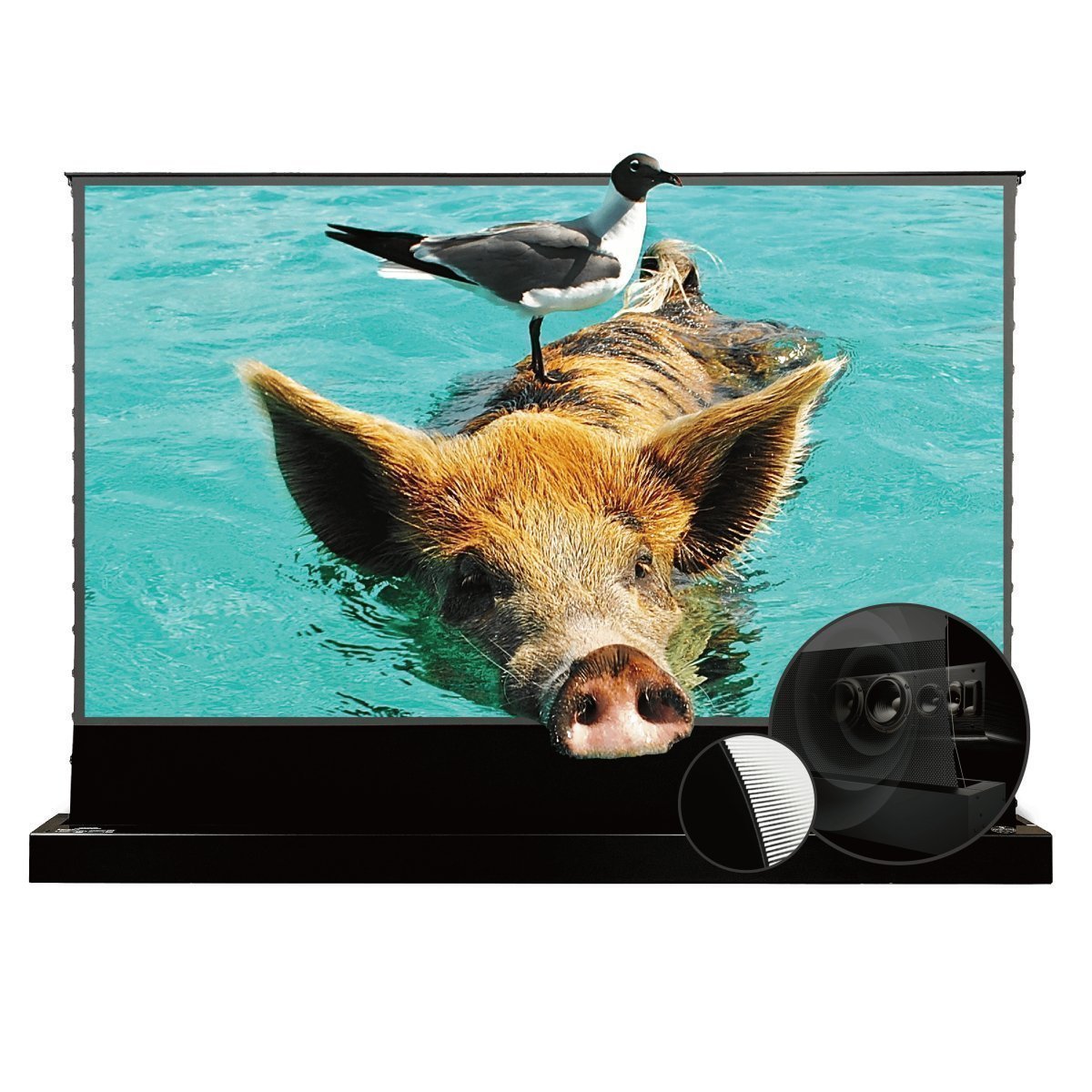
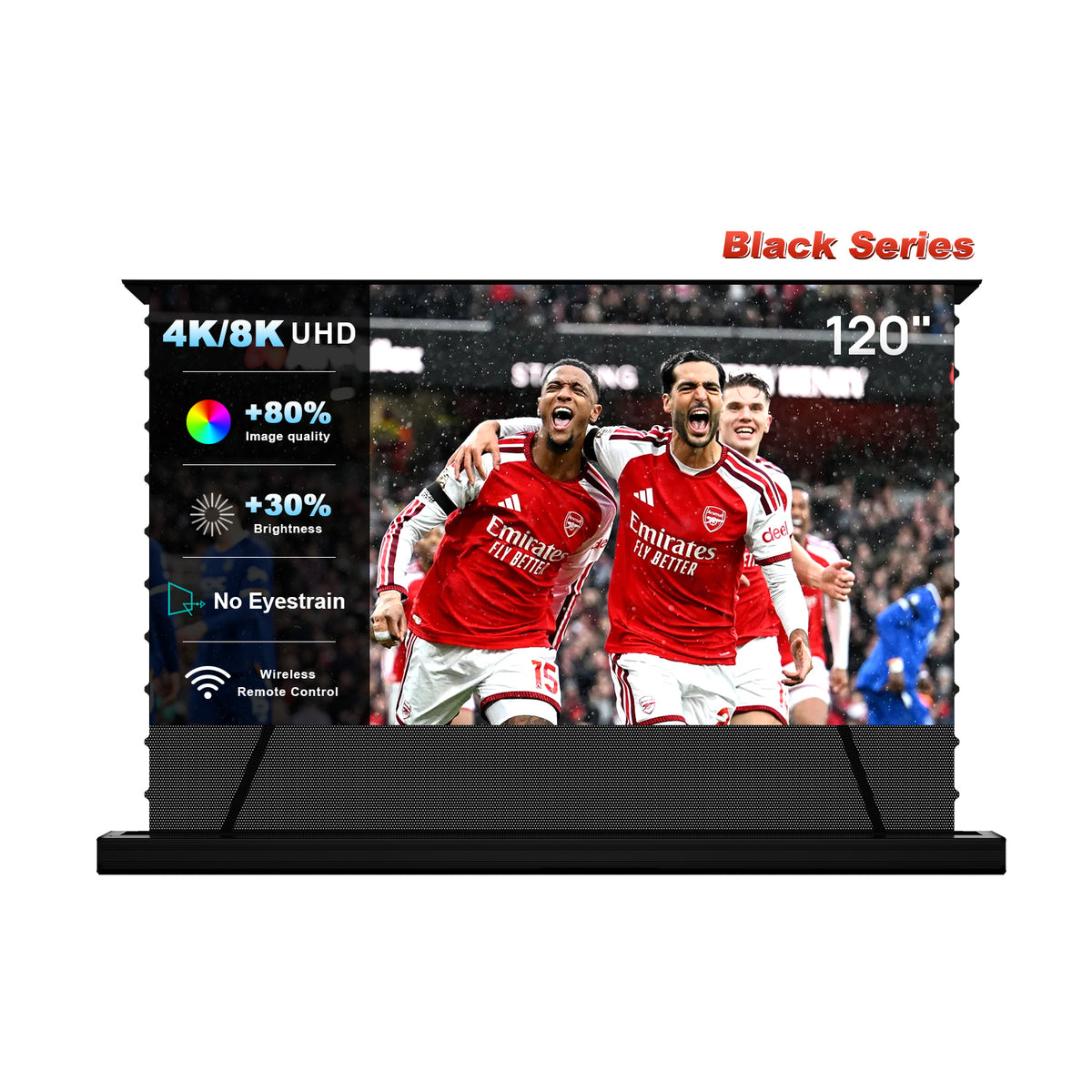
Schermo per proiettore a pavimento (Da € 999): La meraviglia moderna
- L'impostazione: Installazione zero. Collegalo e il sistema di tensione a forbice motorizzato farà il resto.
- Il controllo della realtà: La soluzione definitiva a misura di affittuario. Non danneggia le pareti ed è completamente portatile. Sposta il tuo cinema dal soggiorno alla terrazza senza sforzo.
-
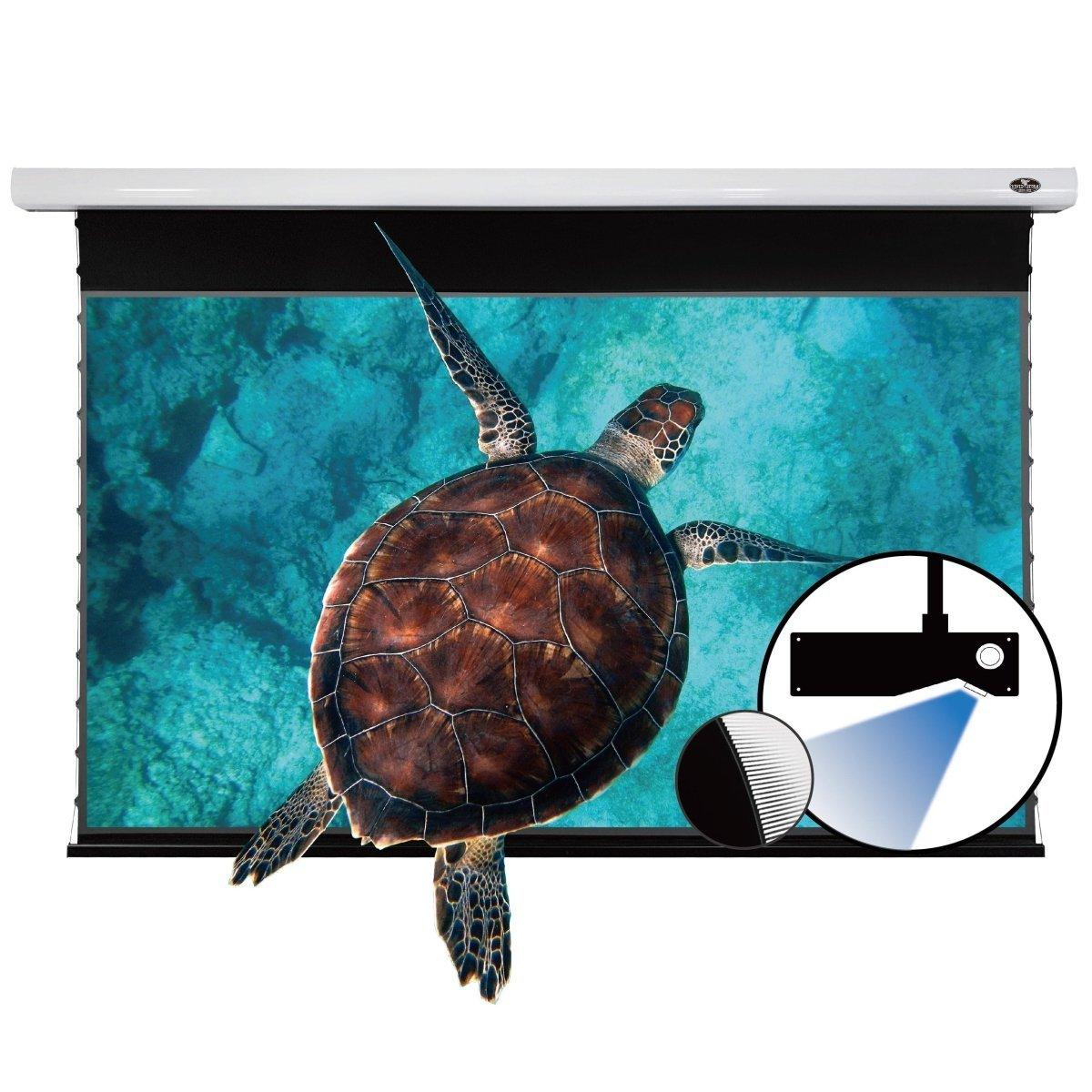
Schermata a discesa elettrica (Da € 1255): L'integrazione architettonica
- L'impostazione: Si monta su soffitti/pareti (installazione circa 30 minuti).
- Il controllo della realtà: Progettato per competere direttamente con InstallaNelle configurazioni motorizzate di, questo schermo si nasconde perfettamente. Richiede una piccola perforazione ma ti premia con un'estetica elegante e minimalista.
4. La matematica dell'immersione: dimensioni, distanza e proporzioni
Uno schermo più grande non è sempre migliore. Sedersi troppo vicini provoca pixelizzazione e grave tensione al collo. La Society of Motion Picture and Television Engineers (SMPTE) consiglia che lo schermo occupi esattamente 30° del campo visivo.
La formula d'oro:
Distanza minima di visione = Diagonale dello schermo (pollici) * 1,2
(Esempio: per un enorme UST da 120 pollici ALR configurazione, il divano deve essere posizionato ad almeno 144 pollici o circa 3,6 metri di distanza).
Adattamento delle proporzioni:
- 16:9: Lo standard globale per 4K TV spettacoli, giochi e sport.
- Cinemascope (2,35:1): La scelta del purista. Elimina le barre nere sui film di successo per una vera sensazione di cinema commerciale.
- 16:10: Le proporzioni del professionista, garantiscono uno spazio verticale aggiuntivo per presentazioni aziendali e documenti dettagliati.
5. Fermare il compromesso: raggruppare ed elevare
Il tuo proiettore di fascia alta è efficace quanto la superficie su cui colpisce. Una parete nuda riflette tinte tenui che distruggono la calibrazione del colore, mentre un lenzuolo introduce rumore visivo e rughe strutturali. Scegliendo a NothingProjector Superficie senza texture 4K/8K, garantisci pura precisione cinematografica.
Suggerimento per l'acquirente intelligente: Stai cercando di massimizzare la tua configurazione europea? Raggruppa il tuo NothingProjector schermo con i nostri proiettori UST premium al momento del pagamento. Ciò non solo garantisce una compatibilità ottica impeccabile, ma sblocca anche sconti significativi sui pacchetti, dimostrando che un home theater di livello di riferimento non richiede un cartellino del prezzo di un marchio legacy.
Frequently Asked Questions About Projector Screens
What is an ALR projector screen, and why does it matter?
ALR (Ambient Light Rejecting) screens use optical microstructures to reflect the projector's light toward the viewer while deflecting ambient light from lamps and windows. The result: deeper blacks, richer colors, and a picture that stays punchy even with the lights on. If you watch in a living room or any space that isn't fully dark, an ALR screen is the single biggest upgrade you can make to your setup.
What's the difference between ALR, CLR, and Fresnel screens?
All three reject ambient light, but they're engineered for different projectors and rooms:
- CLR (Ceiling Light Rejecting): Designed for ultra short throw (UST) projectors. Sawtooth or lenticular structures block light from above while accepting the steep-angled light from a UST projector below. Our Black Series and PET Crystal Classic screens use this technology.
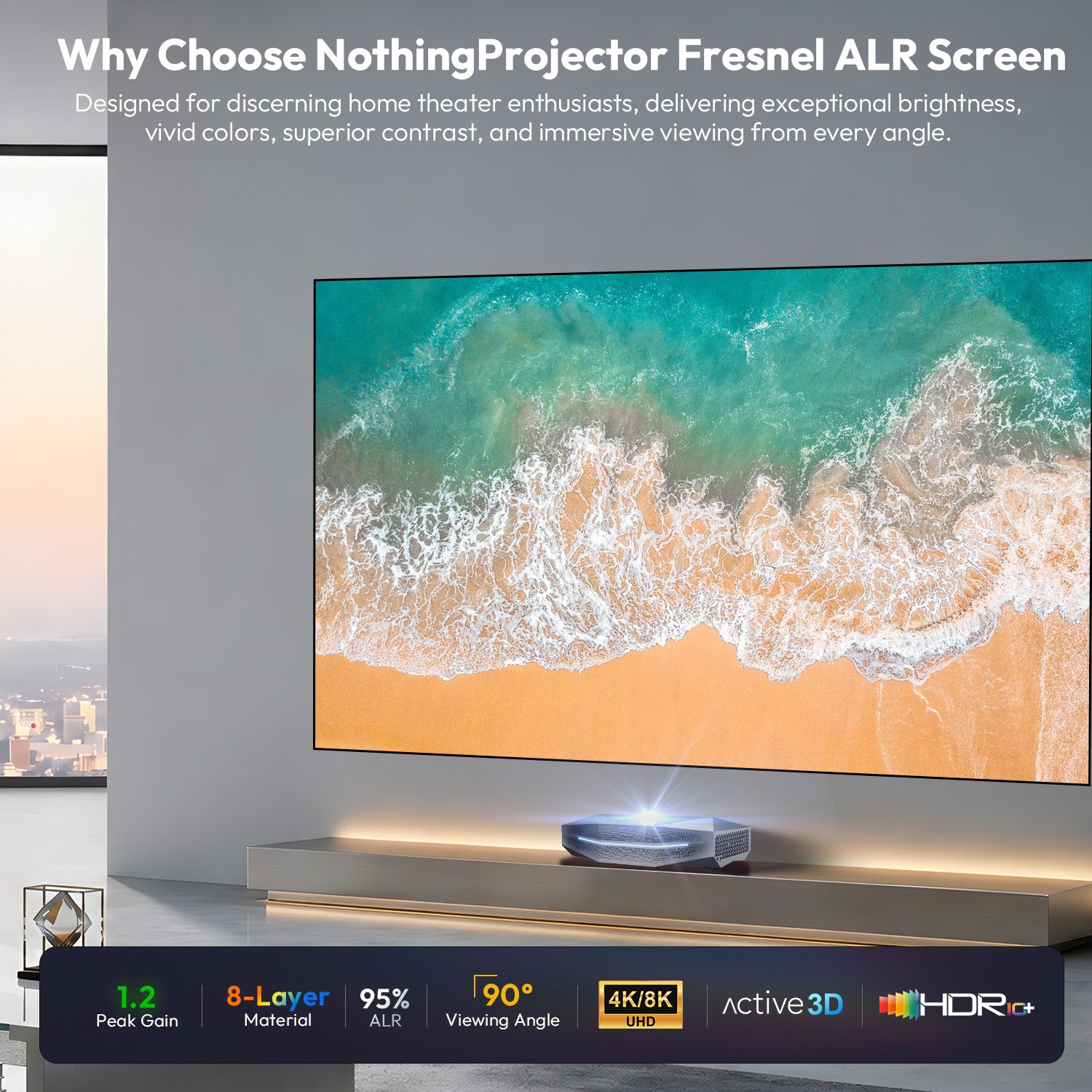
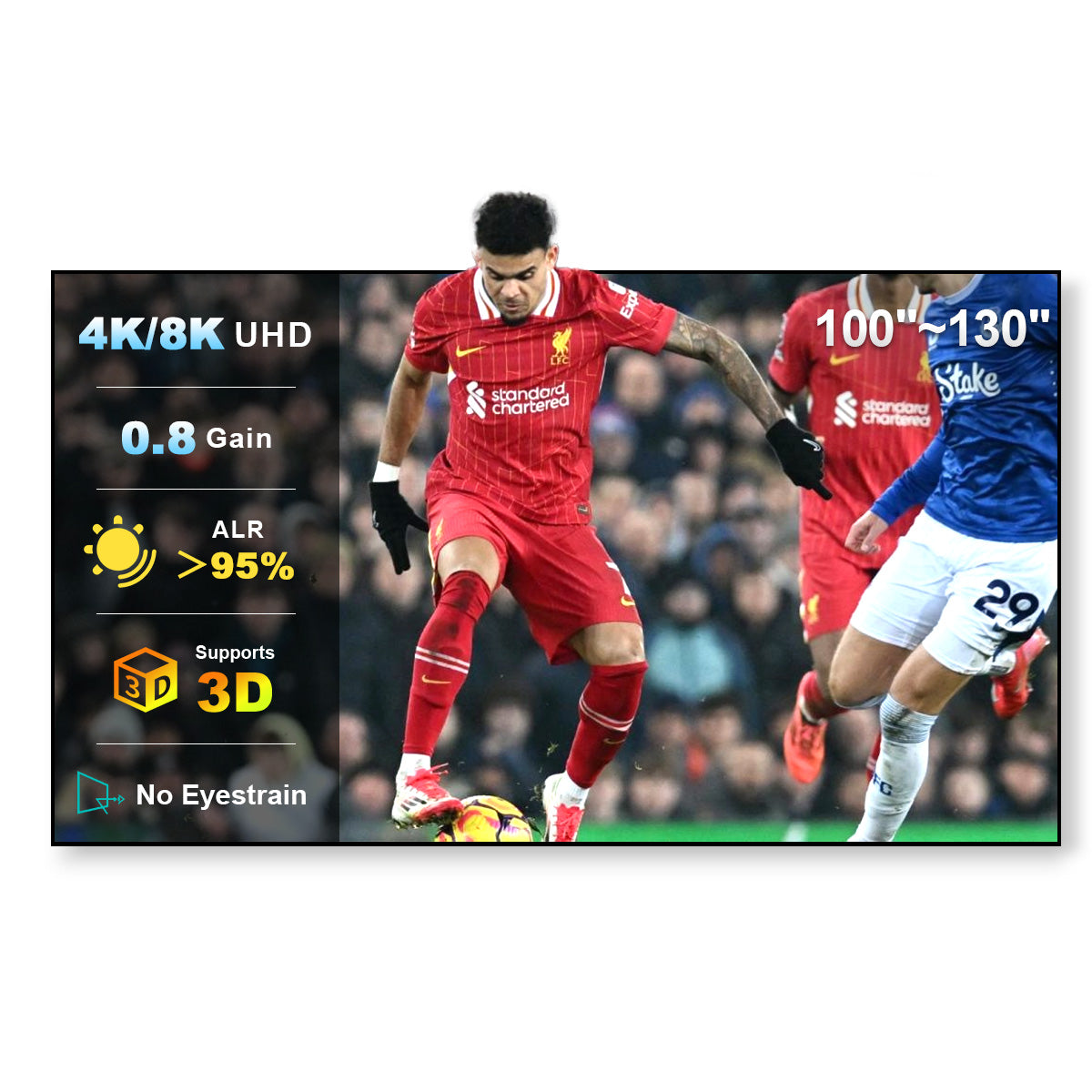
- Fresnel screens: An 8-layer optical structure that rejects light from both the ceiling and the sides — up to 95% ambient light rejection with a higher gain of 1.2. Best for bright rooms and daytime viewing, with a narrower optimal viewing cone.
- Standard ALR for long throw: Optimized for ceiling or table-mounted long/standard throw projectors, rejecting ambient light while keeping wide viewing angles.
Not sure which technology fits your setup? Our team offers free, lifetime pre-sale advice — just reach out.
Which screen should I pair with my ultra short throw (UST) projector?
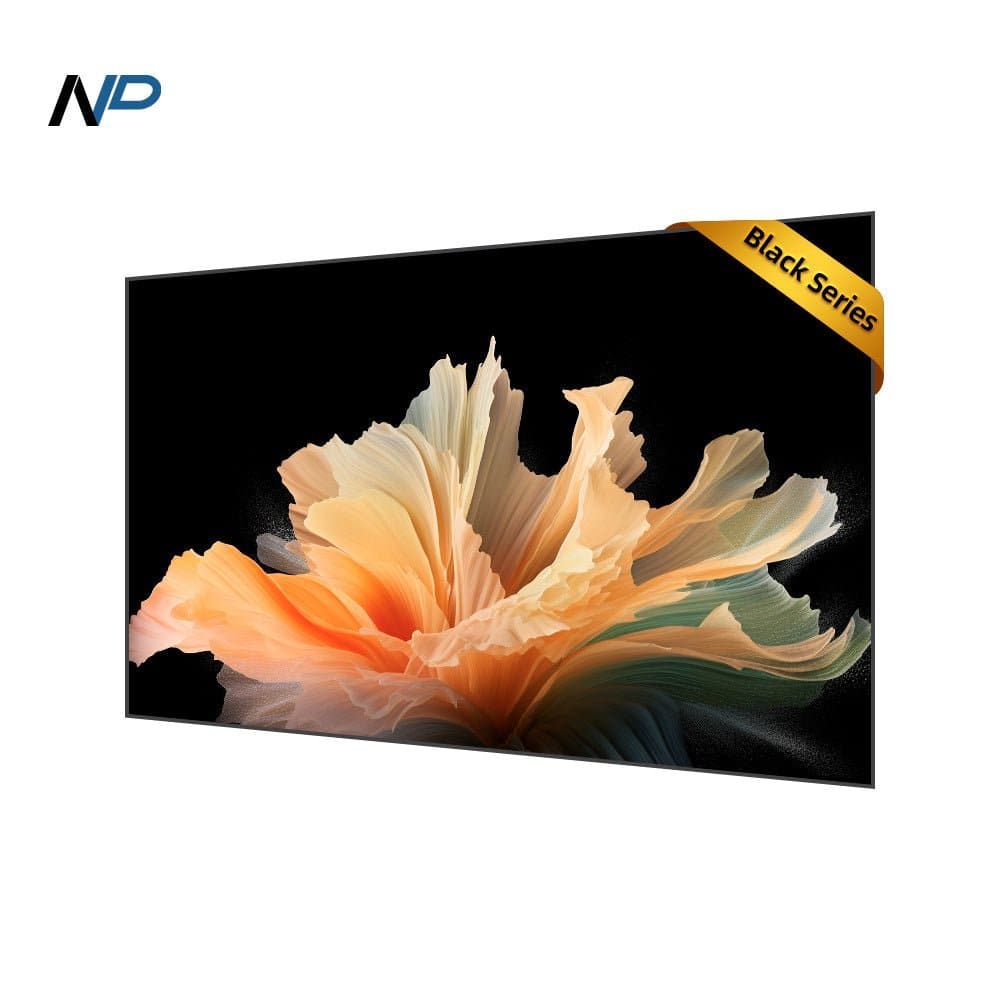
UST projectors demand a screen built for their steep projection angle. All of our UST screens — including the Black Series ALR/CLR fixed frame, PET Crystal Classic, Fresnel ALR, motorized floor rising, and motorized tension drop-down models — are purpose-built for UST projectors and support 4K and 8K content. Pairing a UST projector with a regular matte white screen will noticeably wash out contrast, so we always recommend a dedicated ALR/CLR surface.
What's the best projector screen for a bright room or daytime viewing?
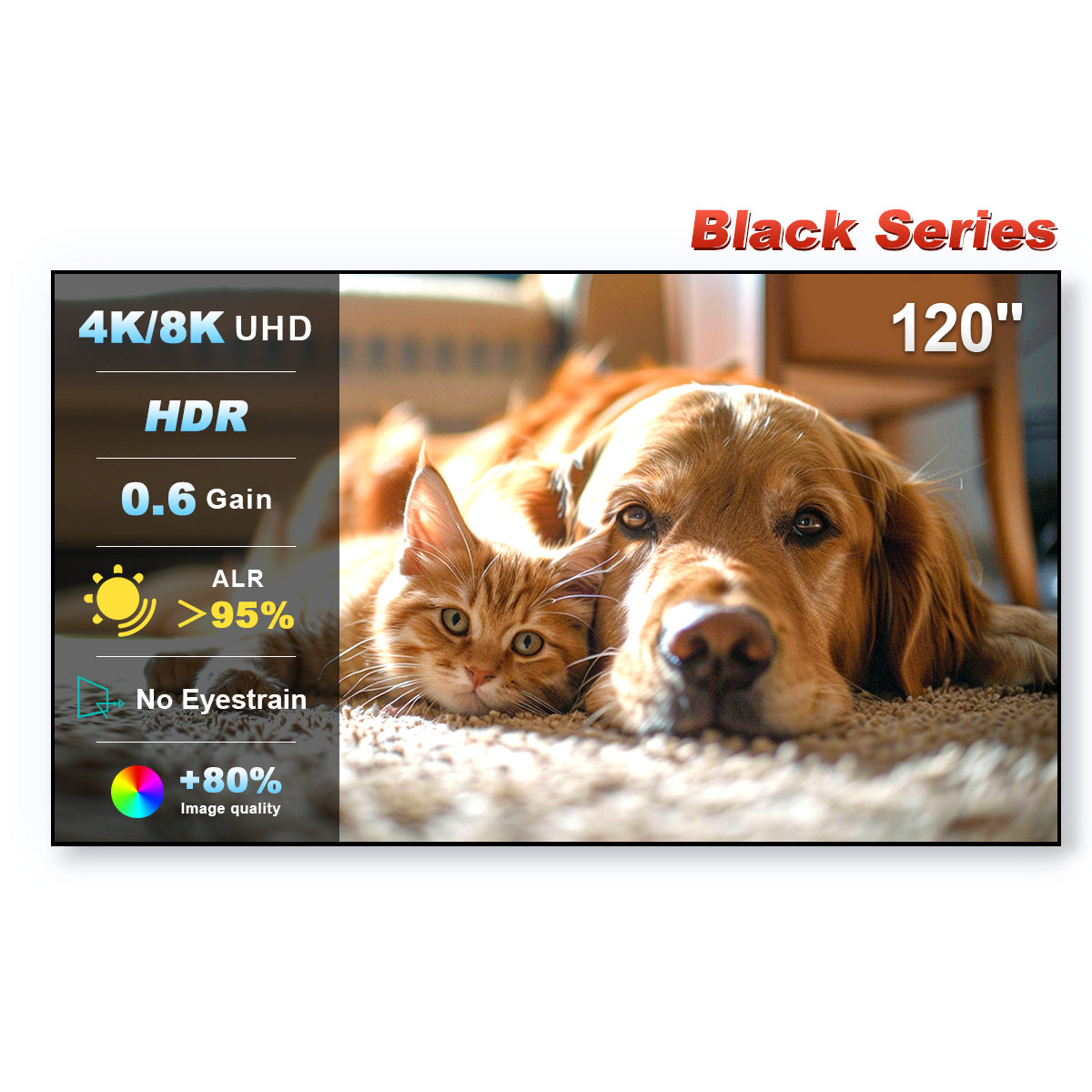
For bright living rooms, choose a screen with 90%+ ambient light rejection. Our Fresnel ALR screen rejects up to 95% of ambient light with a 1.2 gain — it delivers a TV-like picture even in daylight. The Black Series ALR/CLR screen also rejects 95% of ambient light and adds an ultra-wide viewing angle of up to 170°–180°, making it the better pick if your family watches from multiple seats around the room.
Fixed frame, motorized floor rising, or drop-down — which type is right for me?
- Fixed frame screens: The gold standard for dedicated home theaters — perfectly tensioned, ultra-thin bezel, and our most affordable option (from €370). Wall-mounted installation takes about 20 minutes.
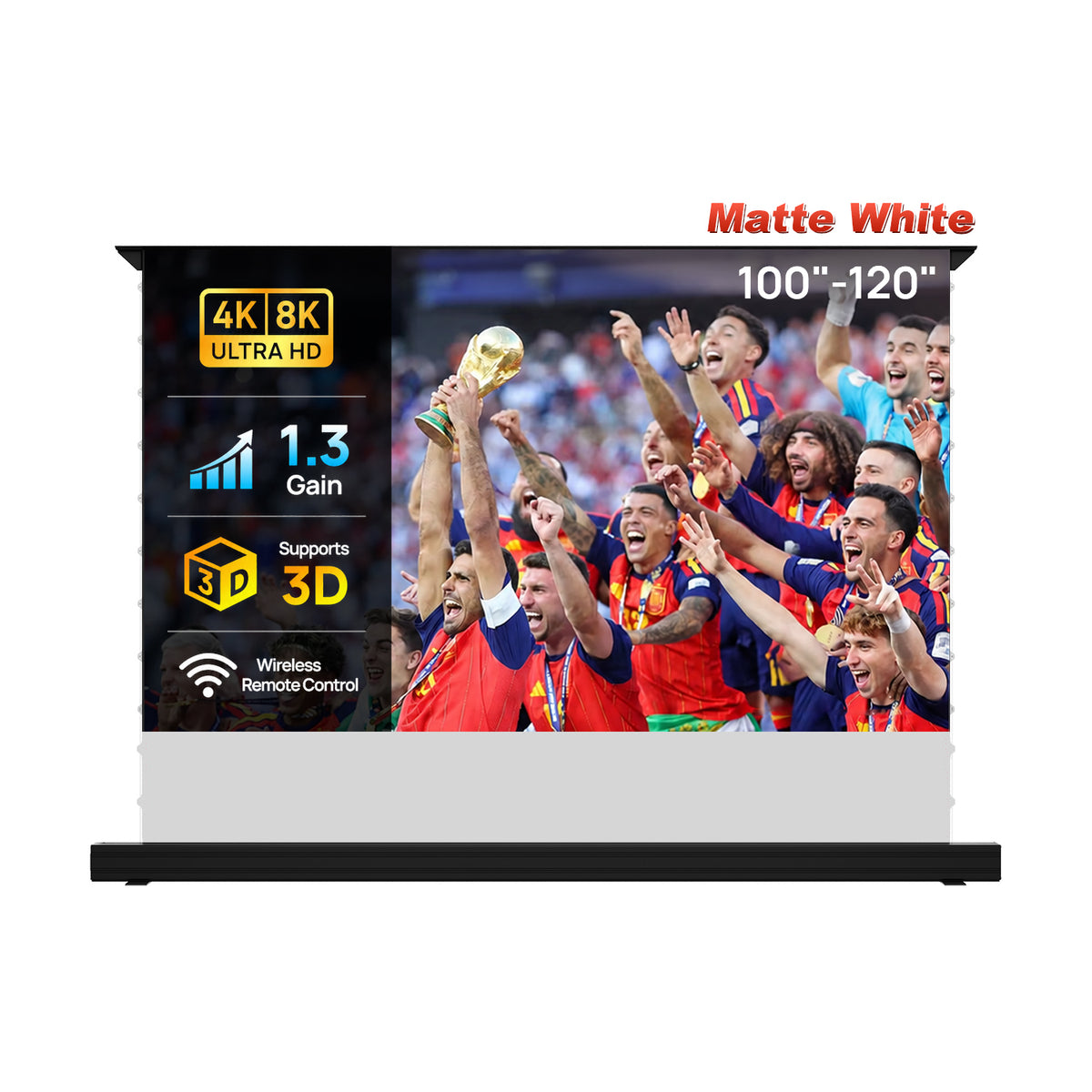
- Motorized floor rising screens: Freestanding and renter-friendly. No drilling required — just plug in and the screen rises on its own, then disappears when not in use. Ideal for minimalist living rooms and multi-use spaces.
- Motorized tension drop-down screens: Mount to the ceiling or wall (four mounting methods) for a clean, built-in look. Tab-tensioned for a perfectly flat surface, with whisper-quiet motorized operation.
How do I choose the right screen size for my room?
A good rule of thumb: your viewing distance (in feet) should be roughly 1.2–1.6× the screen's diagonal (in feet) for an immersive yet comfortable picture — for example, a 100-inch screen feels best from about 10–13 ft away. For UST projectors, also confirm the screen size falls within your projector's supported projection range. Our screens run from 84 to 150 inches, covering everything from compact living rooms to dedicated theaters. If you're between sizes, we generally recommend going larger — very few people ever regret a bigger screen.
Can I use the same screen with a long throw, short throw, or UST projector?
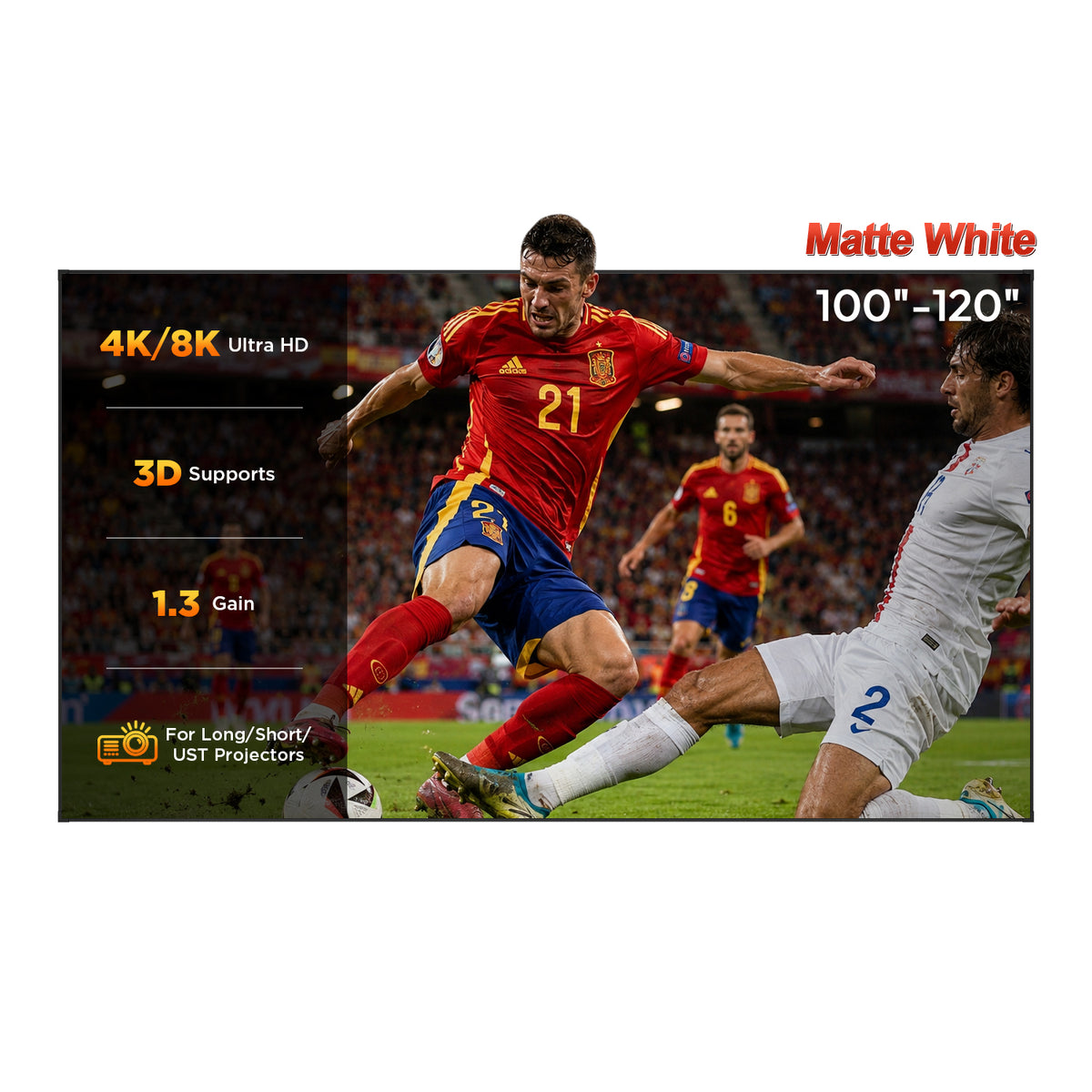
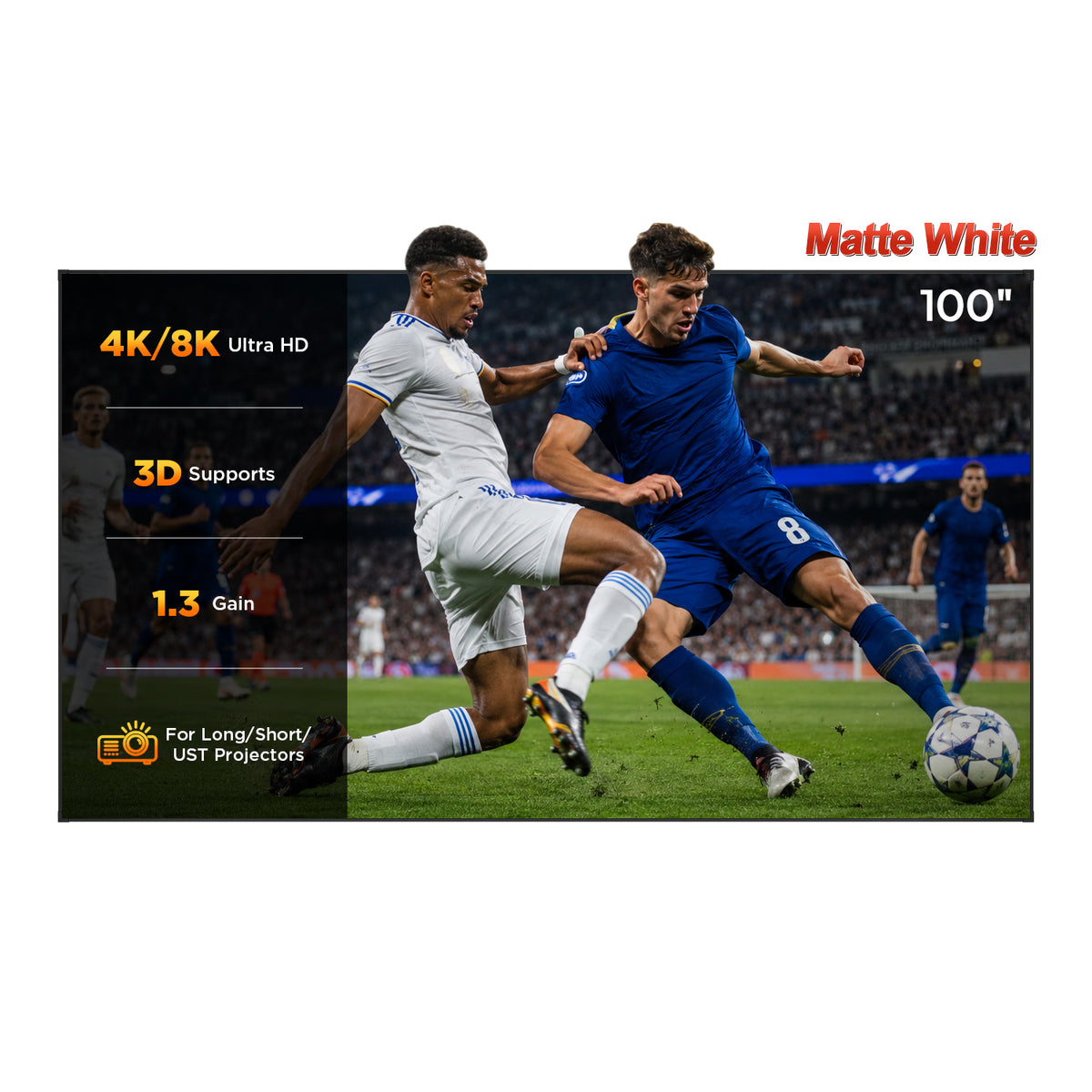
It depends on the material. Matte white screens work with virtually every projector type — our matte white fixed frame and floor rising models are compatible with long throw, short throw, and UST projectors alike. ALR/CLR and Fresnel screens are projector-specific, so always match the screen to your projector's throw type. Each product page clearly lists compatibility, and our support team is happy to confirm before you buy.
Do NothingProjector screens support 4K, 8K, and 3D content?
Yes. Every screen we sell is engineered with optical-grade materials — CBSP, PET Crystal, Fresnel, and HBSI TPU — that resolve fine detail for 4K and 8K UHD content, and all models fully support 3D projection for an immersive home theater experience.
Can I order a screen material sample before buying?
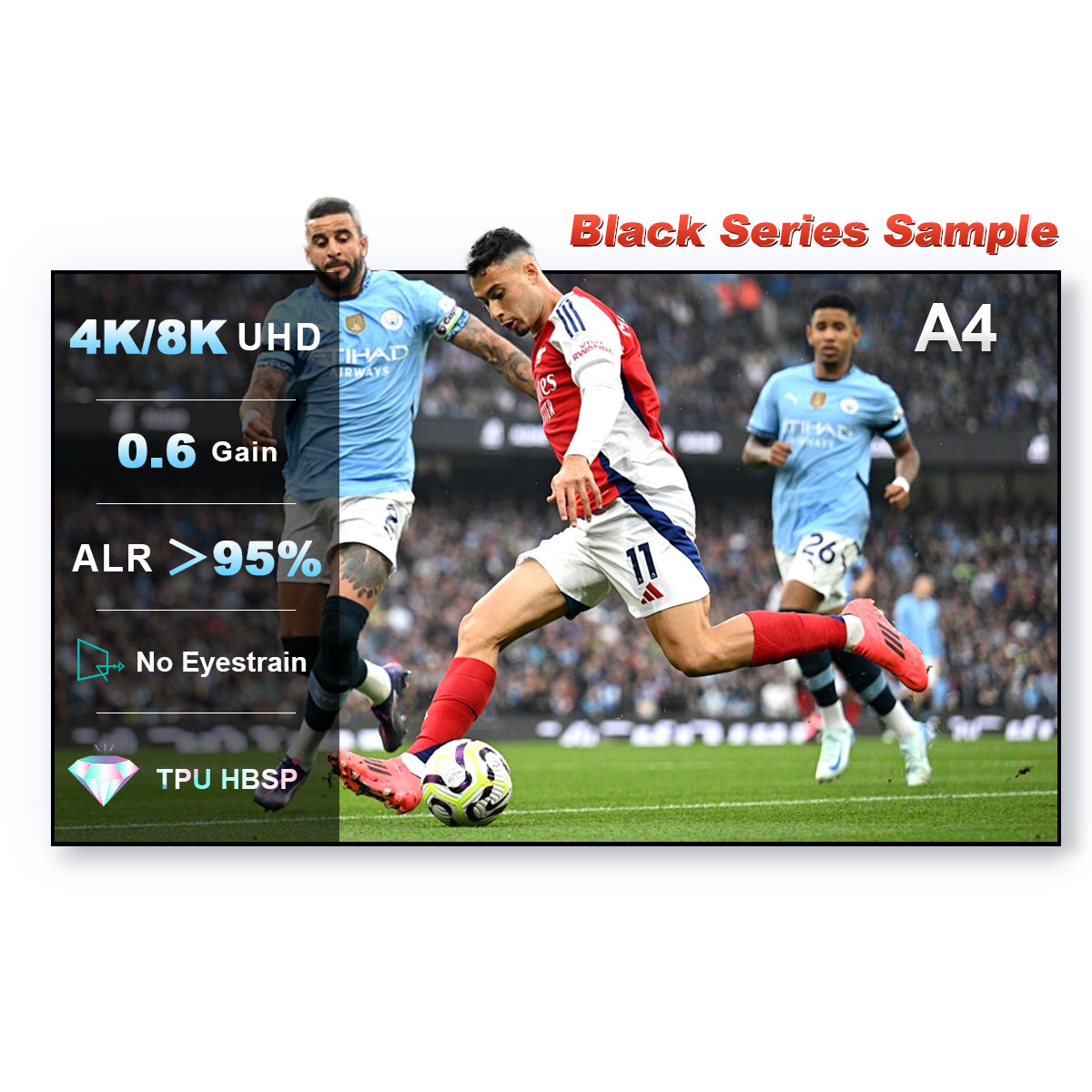
Absolutely. We offer A4-size material samples of our Black Series screens so you can test the fabric in your own room, with your own projector and lighting. Order a sample, and once you purchase the full screen, we'll refund the sample cost in full.
What warranty, returns, and shipping do you offer?
- Warranty: Every NothingProjector screen is covered by a 1-year hassle-free warranty (partner brands up to 2 years), plus free lifetime technical support. Optional extended protection plans of 1–3 years, backed by AIG, are available at checkout.
- Returns & price match: 30-day worry-free returns counted from the day your order is delivered, plus a 60-day price match guarantee — find the same model cheaper from an authorized retailer within 60 days and we'll refund the difference.
- Shipping: Free, fully insured shipping with all duties and taxes included — no hidden fees at delivery. Most screens ship within 48 hours and arrive in 5-7 business days across Europe.